An endowment for the protection of the North and Baltic Seas
Oceans do an enormous amount: they bind carbon dioxide, produce oxygen, regulate the climate and provide a habitat for countless species. Targeted protection measures are needed to keep it that way. This is precisely where the DBU’s funding comes in.
Since the end of November 2024, the Foundation for the Protection of the North and Baltic Seas has had a new instrument at its disposal: the DBU Marine Nature Conservation Fund. Thanks to an endowment of 400 million euros from the Federal Ministry for the Environment, the DBU was able to establish a new funding topic. The funds come from compensation payments for licenses to build offshore wind turbines (OWT) in accordance with the Offshore Wind Energy Act.
With the fund, the foundation now has permanent resources of around 10 million annually to support projects dedicated to the protection and preservation of marine ecosystems in the North and Baltic Seas. The aim is to protect endangered species, preserve or restore marine habitats and at the same time promote innovative, sustainable technologies for the more ecological expansion of offshore wind power. The expansion of offshore wind power is necessary to achieve the energy transition and climate targets, with marine nature conservation playing a central role as part of a nature-friendly solution.
One year after the launch of the DBU Marine Nature Conservation Fund, DBU Secretary-General Alexander Bonde takes stock and explains the objectives and background to the new funding topic.

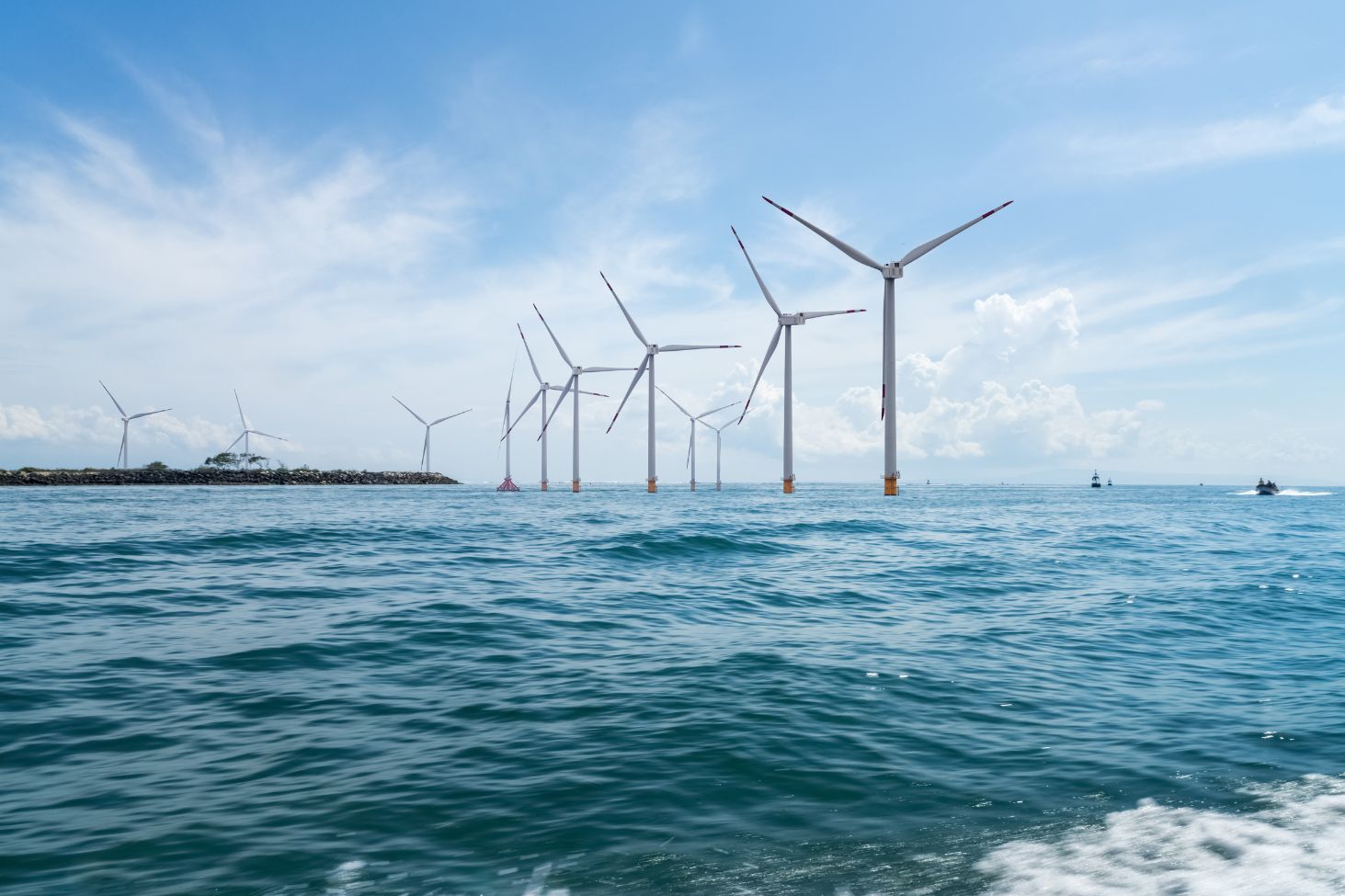
Compensation payments under the Wind Energy at Sea Act
The expansion of offshore wind energy puts a strain on marine ecosystems in the North and Baltic Seas. To compensate for the damage, “subsidized providers” pay five percent of the bid amount for marine nature conservation. This is provided for in the law “on the development and promotion of wind energy at sea”. The money flows into the federal budget as an earmarked “marine nature conservation component”. Of this, 400 million went to the DBU as an endowment to the Marine Nature Conservation Fund.
DBU Marine Nature Conservation Fund: Funding projects 2025
The DBU began soliciting project ideas for the Marine Nature Conservation Fund at the start of 2025. Funding is available for projects that protect endangered marine species such as sturgeon, salmon, eel, sharks and rays, preserve or restore habitats such as reefs and seagrass beds and improve the continuity of relevant catchment areas. Nature-compatible developments in the construction, operation and dismantling of offshore wind farms and the reduction of cumulative effects of other uses are also supported. In individual cases, innovative methods for monitoring, participation and communication in marine nature conservation can also be funded. All information on funding opportunities and the corresponding framework conditions is bundled in the funding topic “Marine Nature Conservation Fund“.
“The oceans form the largest interconnected ecosystem on earth. They make a significant contribution to stabilizing and regulating the climate system. At the same time, they are an important source of life and food for us. Protecting them is therefore a key task for the future. At the same time, we use the oceans in a variety of ways – such as for the expansion of offshore wind energy as an important component of the energy transition. These ever-increasing uses also have a negative impact on marine ecosystems, which must be countered. The DBU’s Marine Nature Conservation Fund aims to further improve the protection and conservation of species and habitats in the North Sea and Baltic Sea and to make the increasing use as environmentally friendly as possible. Eight funded projects and a funding volume of around five million euros in 2025 show that the fund has got off to a successful start.”
Carsten Schneider, Federal Minister for the Environment, Climate Protection, Nature Conservation and Nuclear Safety
Control of the invasive mitten crab with barriers (DBU-AZ 40387)
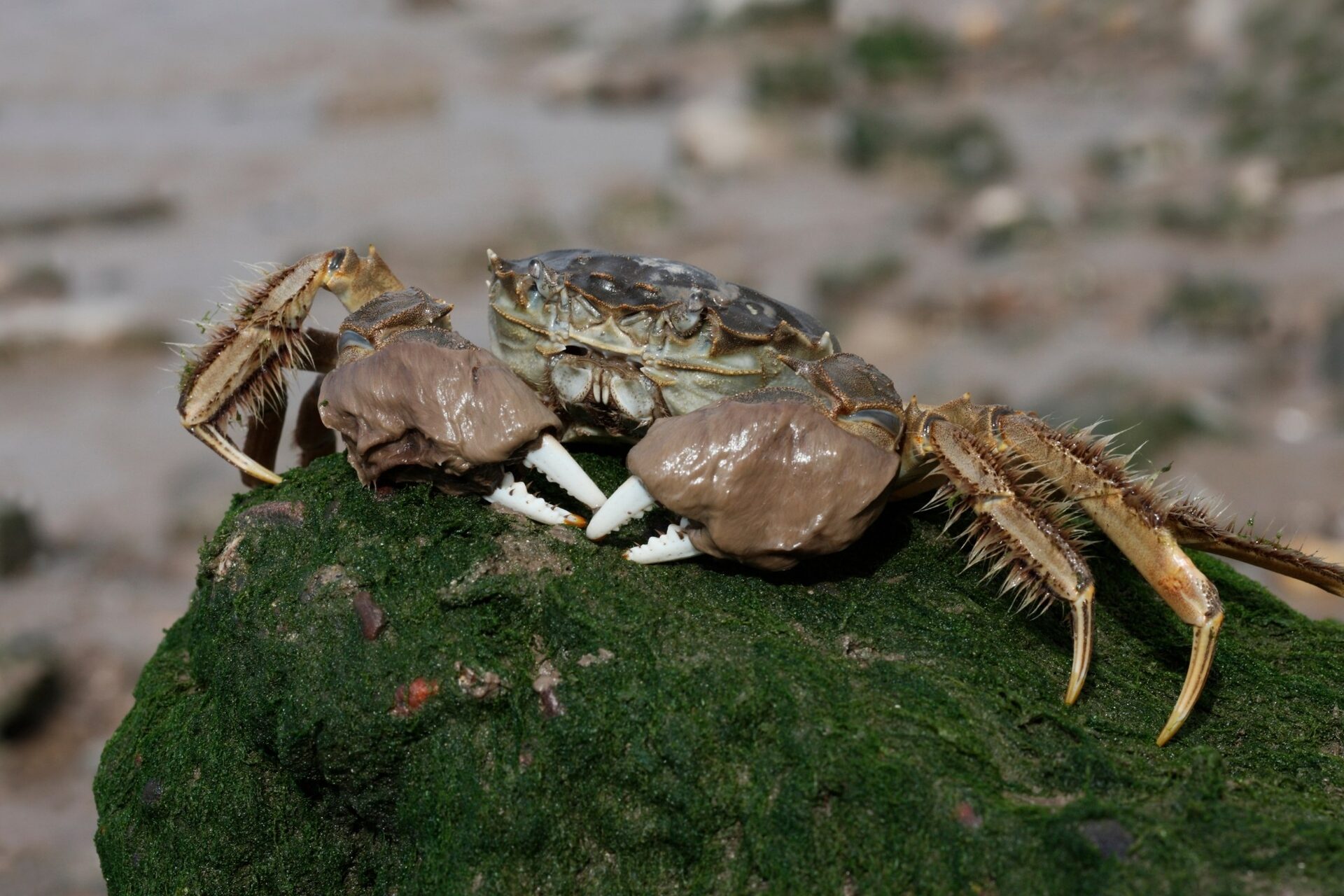
The aim of the Alfred Wegener Institute ‘s ClanSea project is to contain the population of the Chinese mitten crab and thus contribute to the preservation of biodiversity and the protection of estuarine and river ecosystems. Barriers in estuaries are intended to stop the further spread of the invasive species and thus prevent ecological and economic damage.
Funding amount: 174,913 euros
More info: Controlling the invasive mitten crab with barriers
Restoration of the Dogger Bank habitat (WILD) (DBU-AZ 40514)
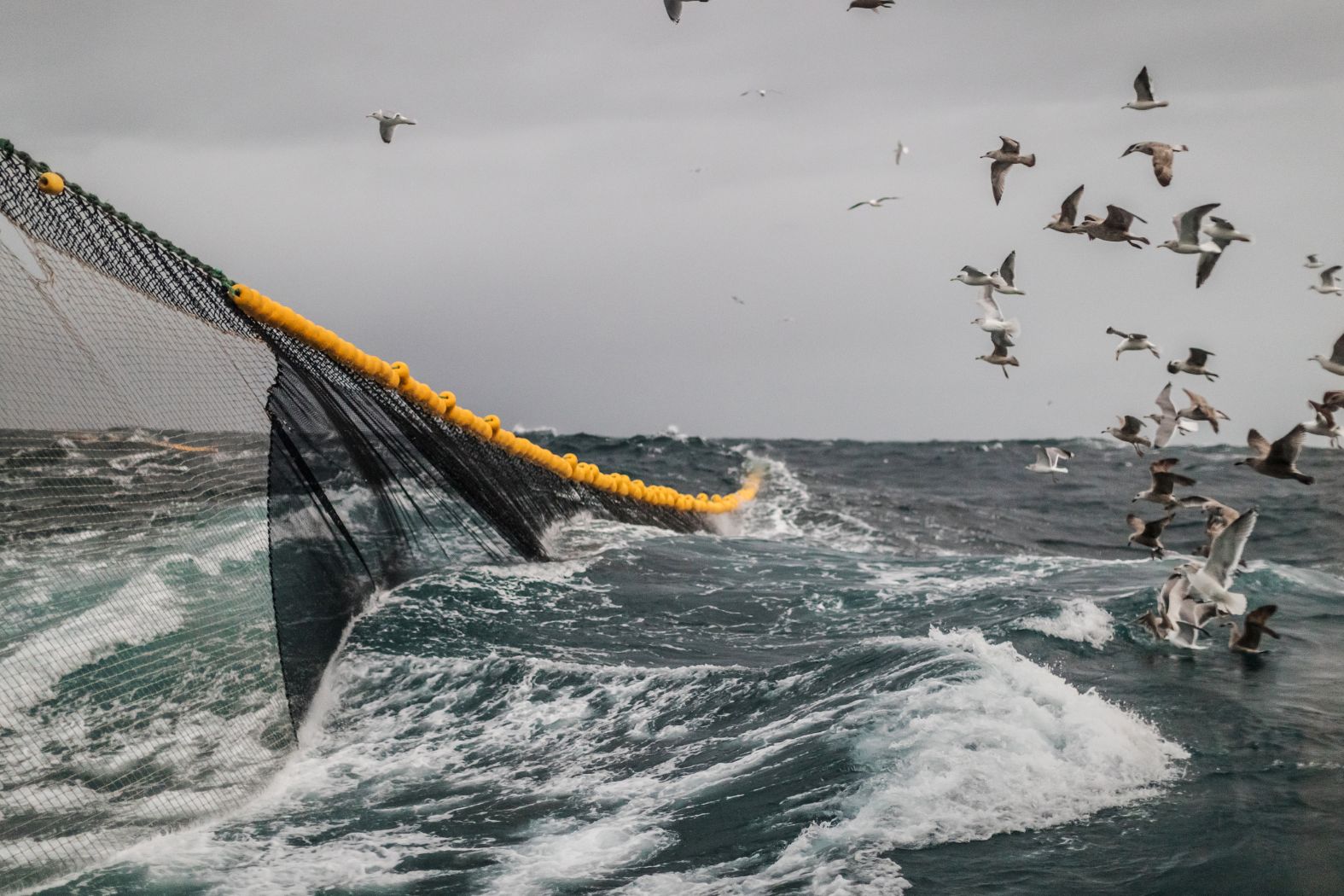
The aim of the BUND Meeresschutzbüro Bremen project is to develop measures to protect and restore biodiversity on the Dogger Bank. As a basis for this, the historical development and current state of biodiversity as well as the effects of anthropogenic activities are recorded. Based on this, concrete measures are identified with the involvement of authorities, politicians and stakeholders.
Funding amount: 1,164,277 euros
More info: Restoration of the Dogger Bank International Habitat (WILD)
Reintroduction and protection of salmon and trout (DBU-AZ 40541)
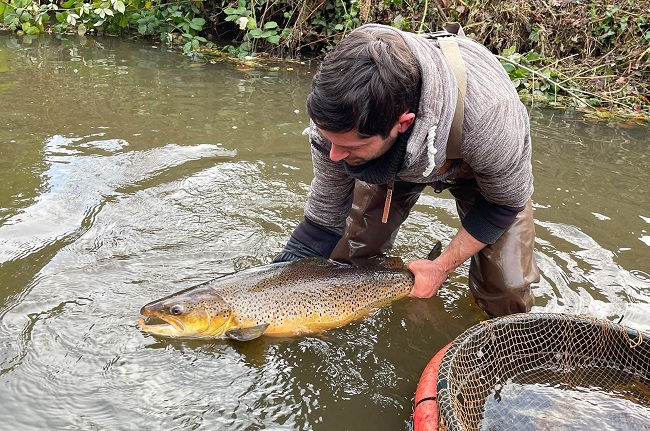
In order to strengthen the existing commitment to the reintroduction of salmon and trout in the Weser, the Faculty of Nature and Technology at Bremen University of Applied Sciences is focusing on greater coordination between the stakeholders involved. The project is supplemented by scientific monitoring to check its success.
Funding amount: 174,995 euros
More information: Reintroduction and protection of salmon and sea trout
Innovative biodiversity monitoring of diatoms in the Baltic Sea (DBU-AZ 40616)
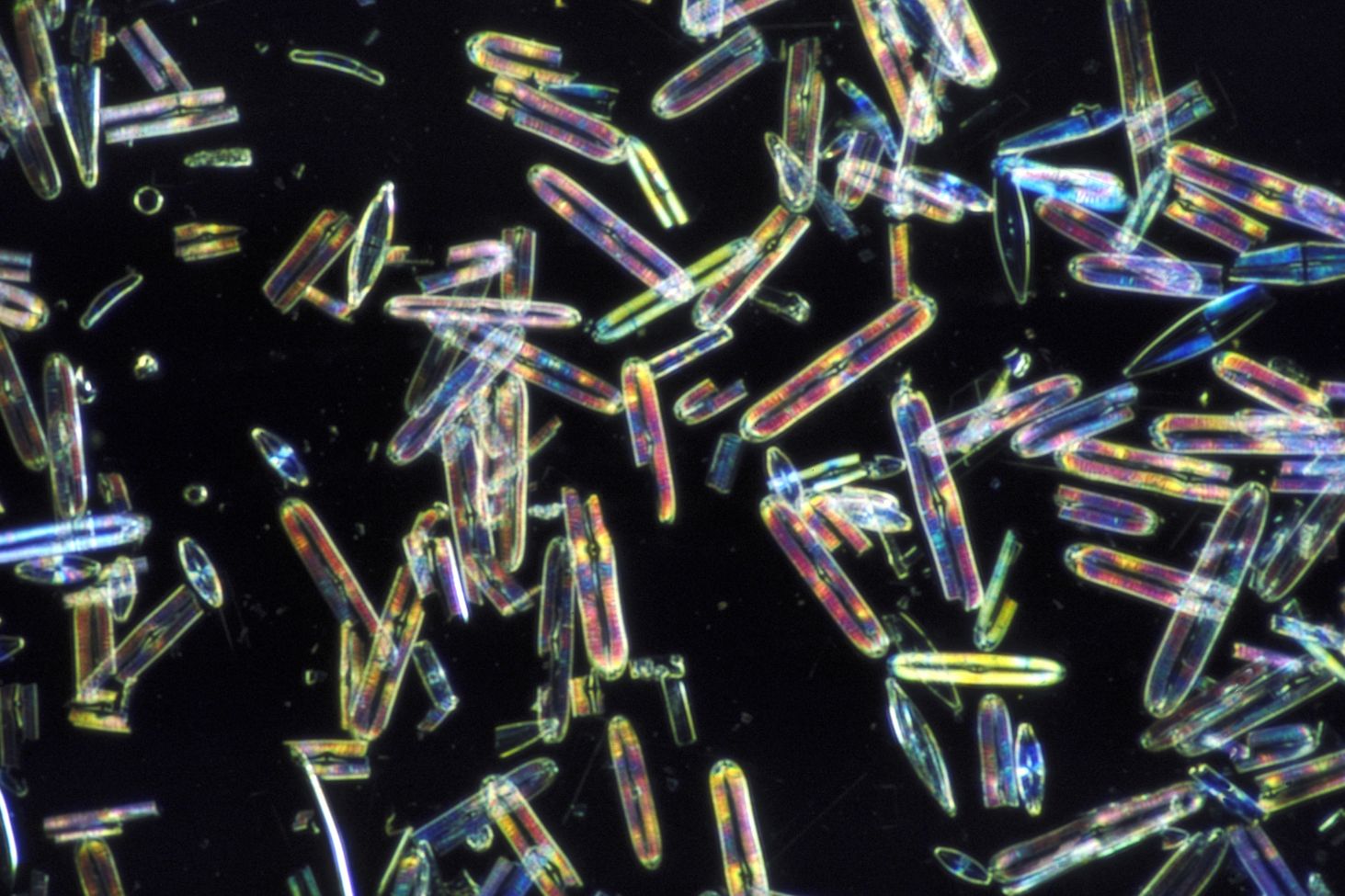
As part of the project at the University of Rostock, a reference database for benthic diatoms in the Baltic Sea is being set up. Microscopic methods, genetic analyses (eDNA) and AI-supported image evaluation are being combined for the first time. The method developed in this way makes benthic diatoms systematically usable as bioindicators for the first time.
Funding amount: 578,613 euros
DBU-AZ: 40616
Further information: Baltic Sea diatoms: Innovative biodiversity monitoring with eDNA and AI
Monitoring of songbirds at offshore wind farms (DBU-AZ 40640)
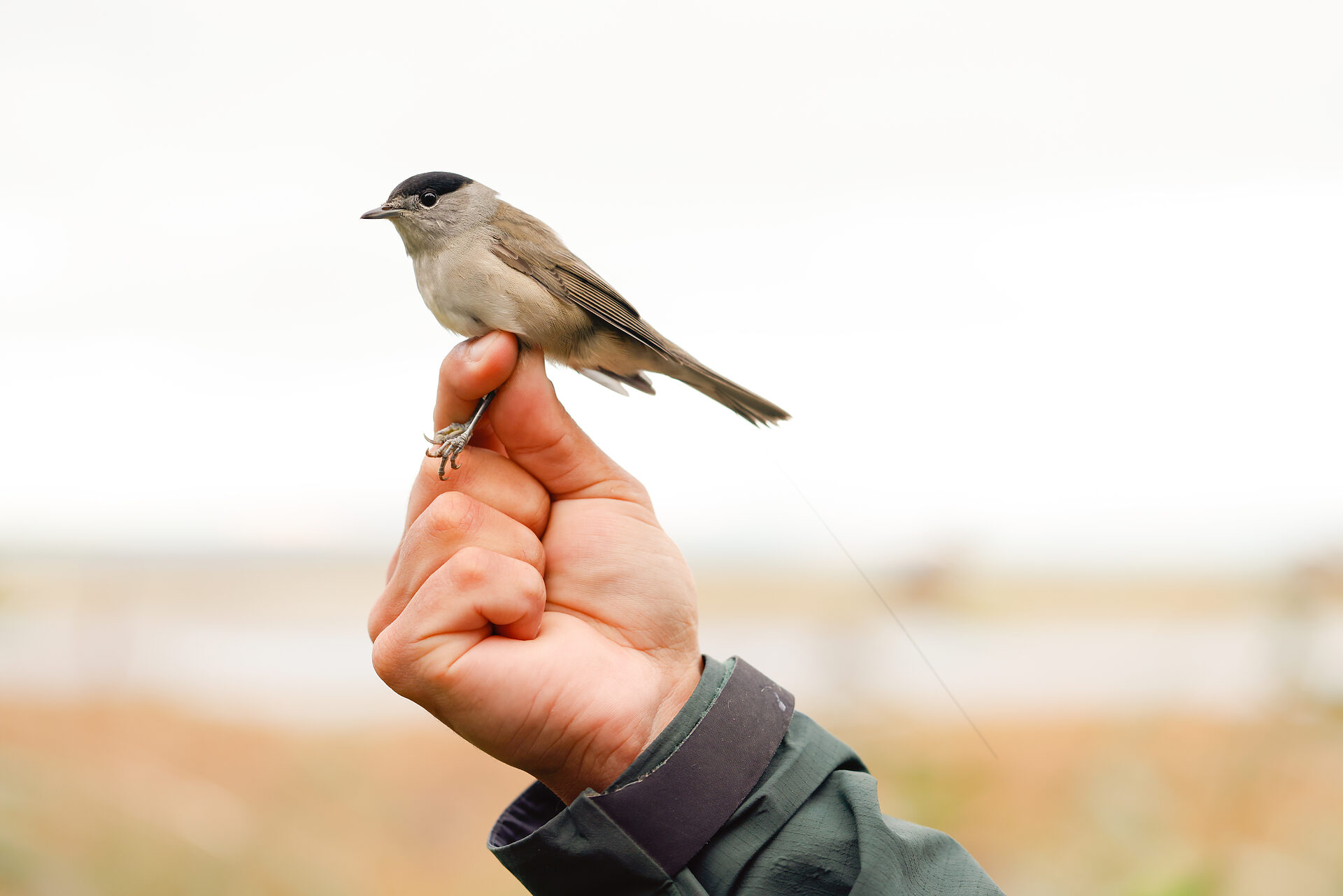
The project at the Carl von Ossietzky University of Oldenburg is the first to investigate the flight behavior of songbirds at offshore wind farms using Motus radiotelemetry. This involves recording the flight paths and flight behavior of individual bird species within the wind farms. Based on the results, measures are to be developed together with wind farm operators in order to reduce possible negative effects on songbirds.
Funding amount: 1,143,975 euros
Further information: Songbirds at offshore wind farms: Innovative monitoring methods for species recovery measures
Improved bilge water de-oiling of small and medium-sized ships (DBU-AZ 40307)
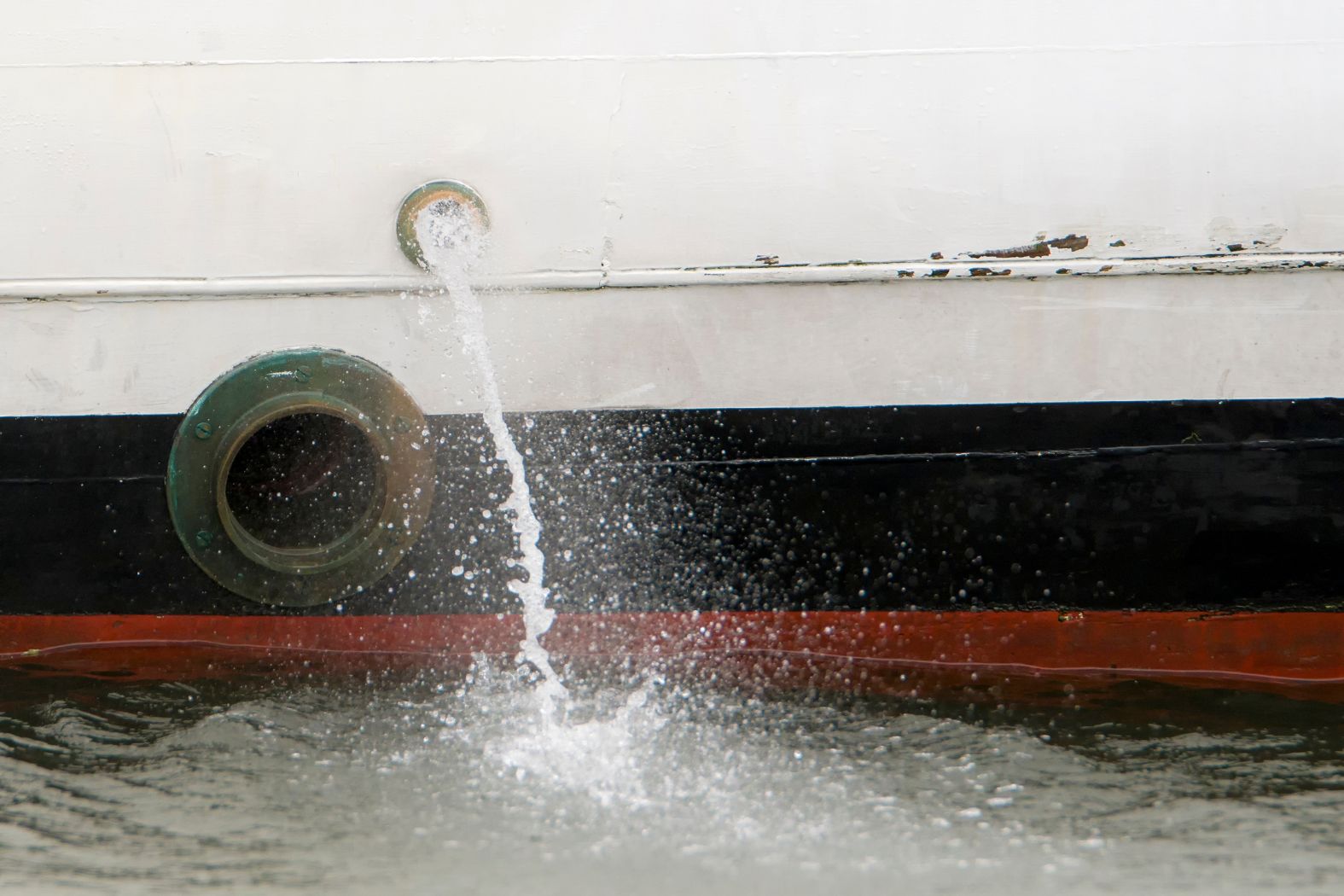
The EcoBilge project aims to prevent the illegal discharge of oily bilge water from smaller ships into the sea. To this end, a practicable technical system for oil separation is being developed, which will be supplemented by accompanying studies on environmental impacts, legal framework conditions and user behavior.
Funding amount: 174,977 euros
More info: Improving bilge water deoiling for small and medium-sized vessels
Energy-efficient microalgae cultivation for green hydrogen (DBU-AZ 40328)
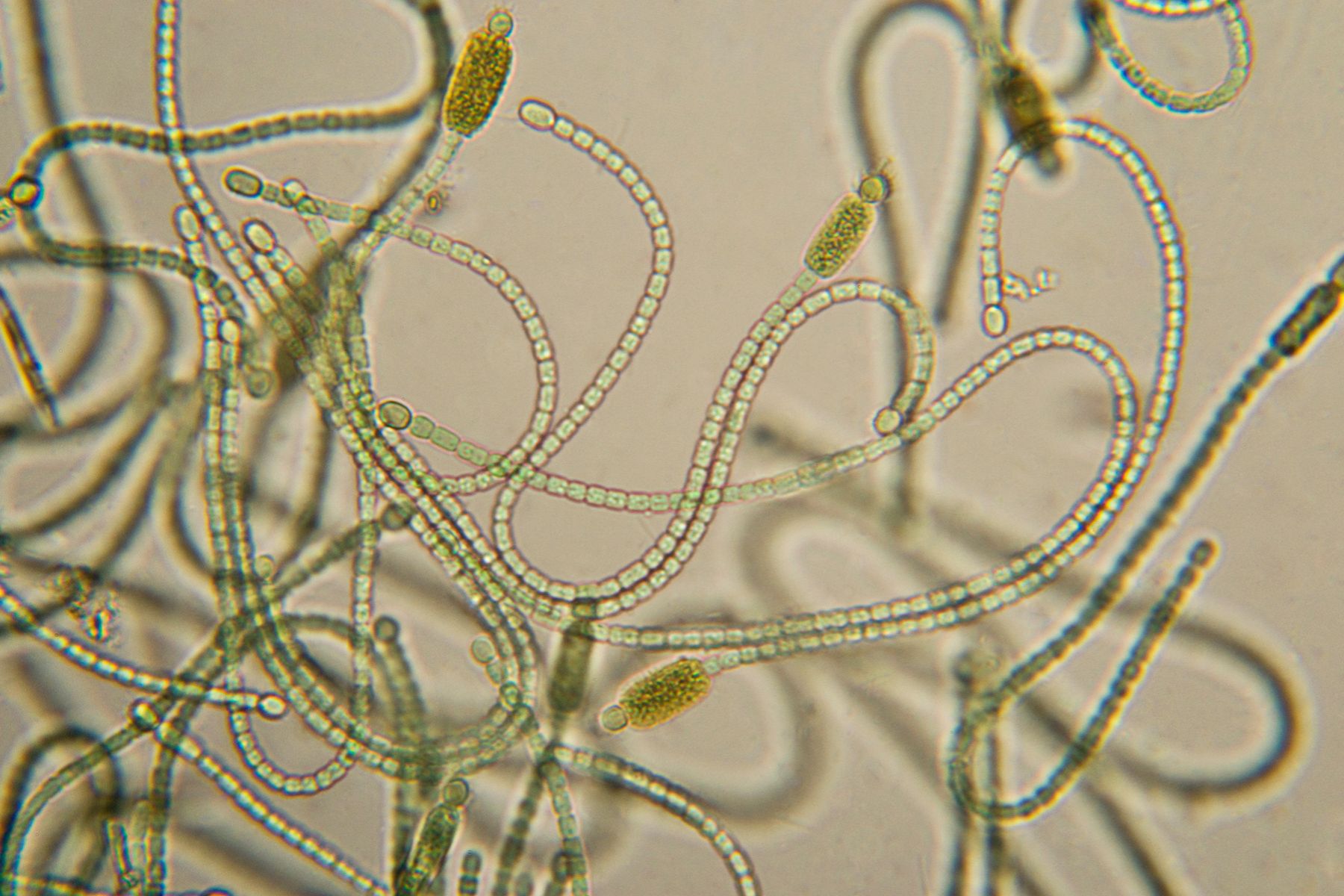
The production of green hydrogen from seawater or brackish water produces brines that can pollute sensitive coastal ecosystems. The Alfred Wegener Institute has developed a process that uses the cyanobacterium spirulina to remove the salt from the water. The aim of the DBU project is to significantly reduce energy consumption in the cultivation of microalgae with the help of an automated lighting system.
Funding amount: 172,553 euros
Further information: Energy-efficient microalgae cultivation for green hydrogen
Nature-compatible strategies for offshore energy infrastructure (DBU-AZ 40547)
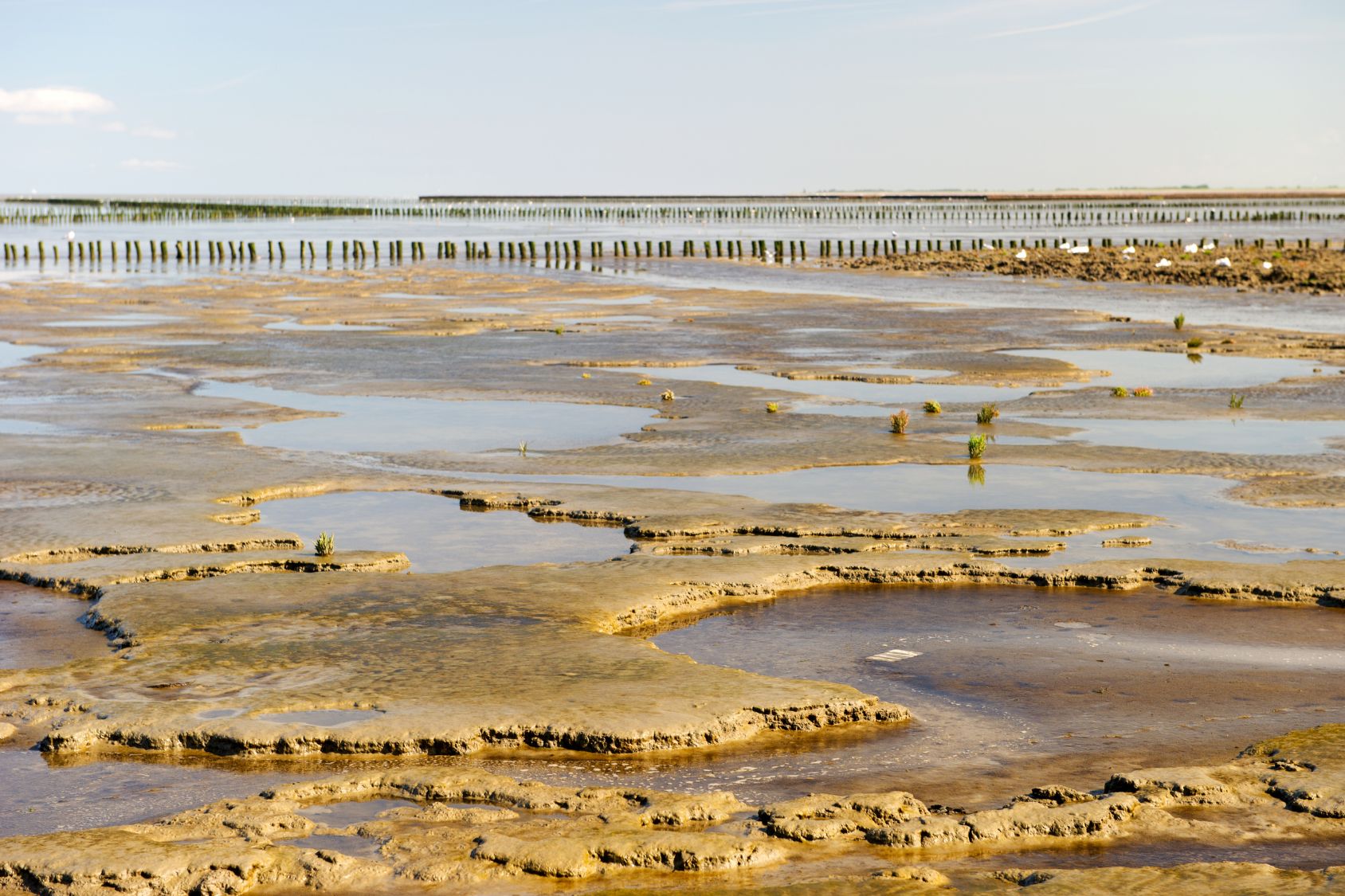
The project of the BUND Lower Saxony regional association is investigating the impact of the expansion of offshore energy infrastructure on the Wadden Sea and how ecological conflicts can be mitigated. To this end, existing infrastructures are being analyzed, conflicts of use recorded, scenarios modelled and an interactive decision support system developed.
Funding amount: 1,168,441 euros
Further information: Development of nature-compatible strategies for the expansion of offshore energy infrastructure in the German coastal sea
Events and activities
The topic of marine nature conservation accompanied us throughout 2025 and was the focus of various events. Here is a look back at the highlights.
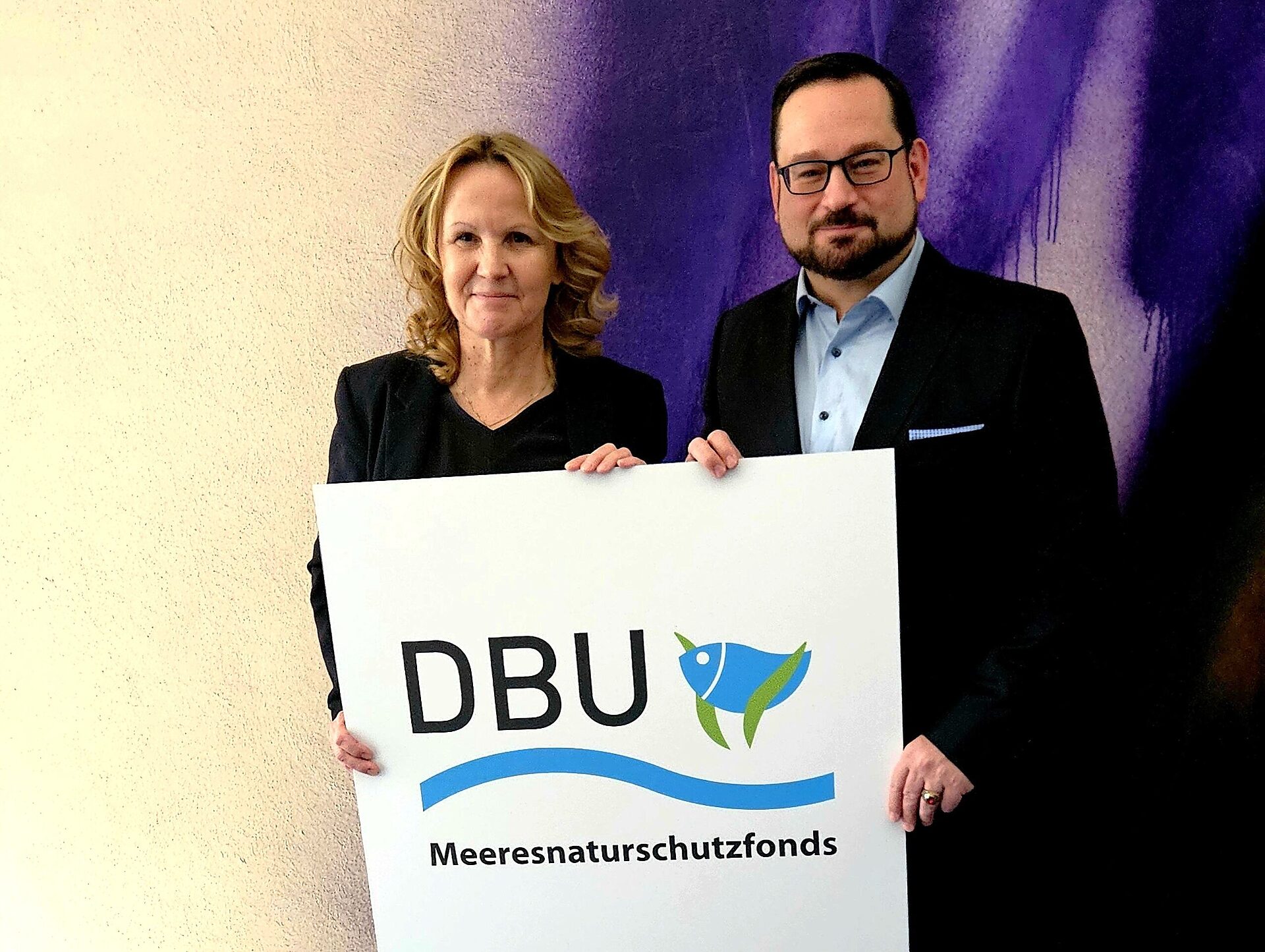
December 2024: Starting signal for the Marine Nature Conservation Fund
The DBU Marine Nature Conservation Fund was launched on December 19, 2024. DBU Secretary General Alexander Bonde unveiled the logo for the new funding topic in Berlin together with the then Federal Environment Minister Steffi Lemke . On July 3, 2024, the Budget Committee of the German Bundestag decided to earmark part of the auction proceeds for offshore wind power licenses, which are intended for marine nature conservation, for the DBU.
More information in the DBUaktuell newsletter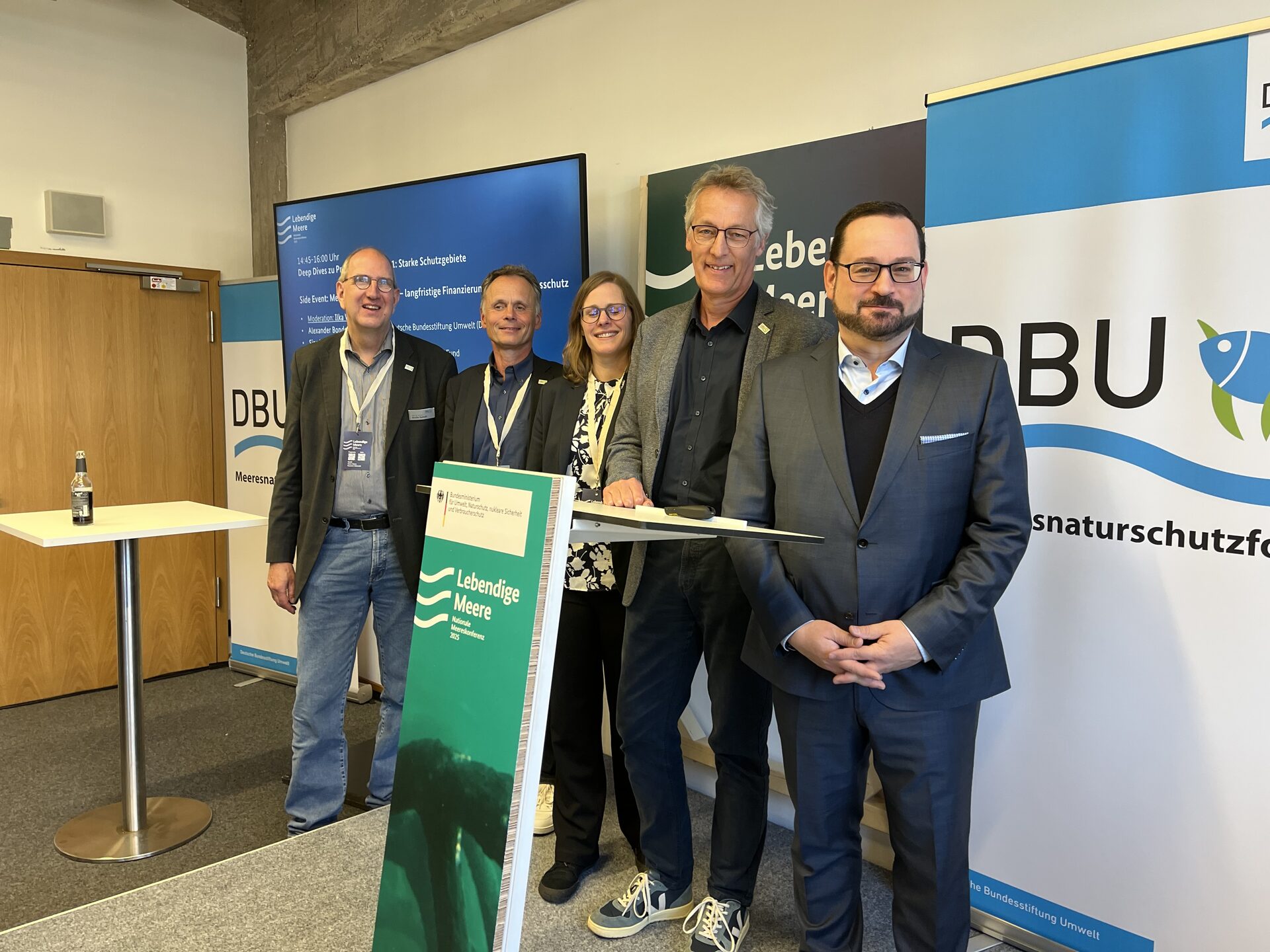
May 2025: The DBU team at the BMUV’s National Marine Conference
The DBU team was represented at the “National Marine Conference 2025”, where it presented the DBU Marine Conservation Fund. Together with the Blue Action Fund (BAF), the team held a side event on May 6, 2025 to show how foundations can provide long-term funding for marine conservation and exchanged initial experiences with the participants. There was great interest in the new funding opportunity.
“We urgently need more wind energy to protect the climate. On the other hand, the expansion of wind turbines in our oceans is a massive intervention. In this respect, we are pleased that the Marine Nature Conservation Fund provides us with an additional opportunity to work with industry to see how we can better organize this intra-ecological conflict in the future,” said DBU Secretary-General Alexander Bonde in an interview with Rundfunk Berlin-Brandenburg (rbb) at the conference.
The interview in full length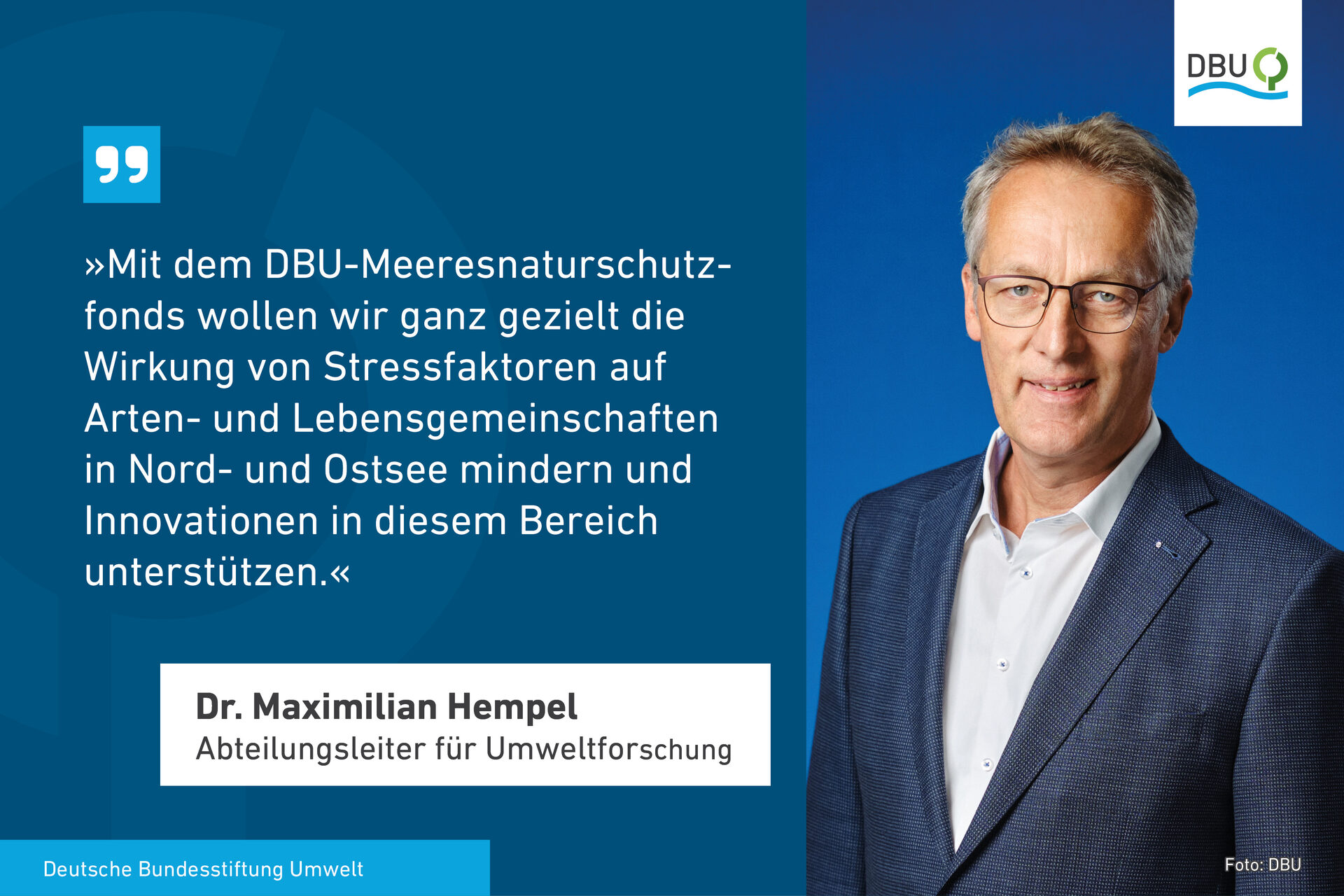
July 2025: Annual press conference “More protection for the North Sea and Baltic Sea”
At the annual press conference on July 16, 2025, the DBU presented its new funding topic “Marine Nature Conservation Fund”. “In Germany, the DBU Marine Nature Conservation Fund now provides permanent and sustainable funding to preserve marine ecosystems in the North and Baltic Seas in the future,” said DBU Secretary General Alexander Bonde. Dr. Stefanie Moorthi from the Marine Nature Conservation Department made it clear “that effective measures can help to protect and conserve marine species and communities.” It is now a matter of promoting innovative and exemplary projects that effectively advance the goals of the Marine Nature Conservation Fund, said Head of Department Dr. Maximilian Hempel, echoing her comments. “We are very much looking forward to the incoming project applications.”
Press release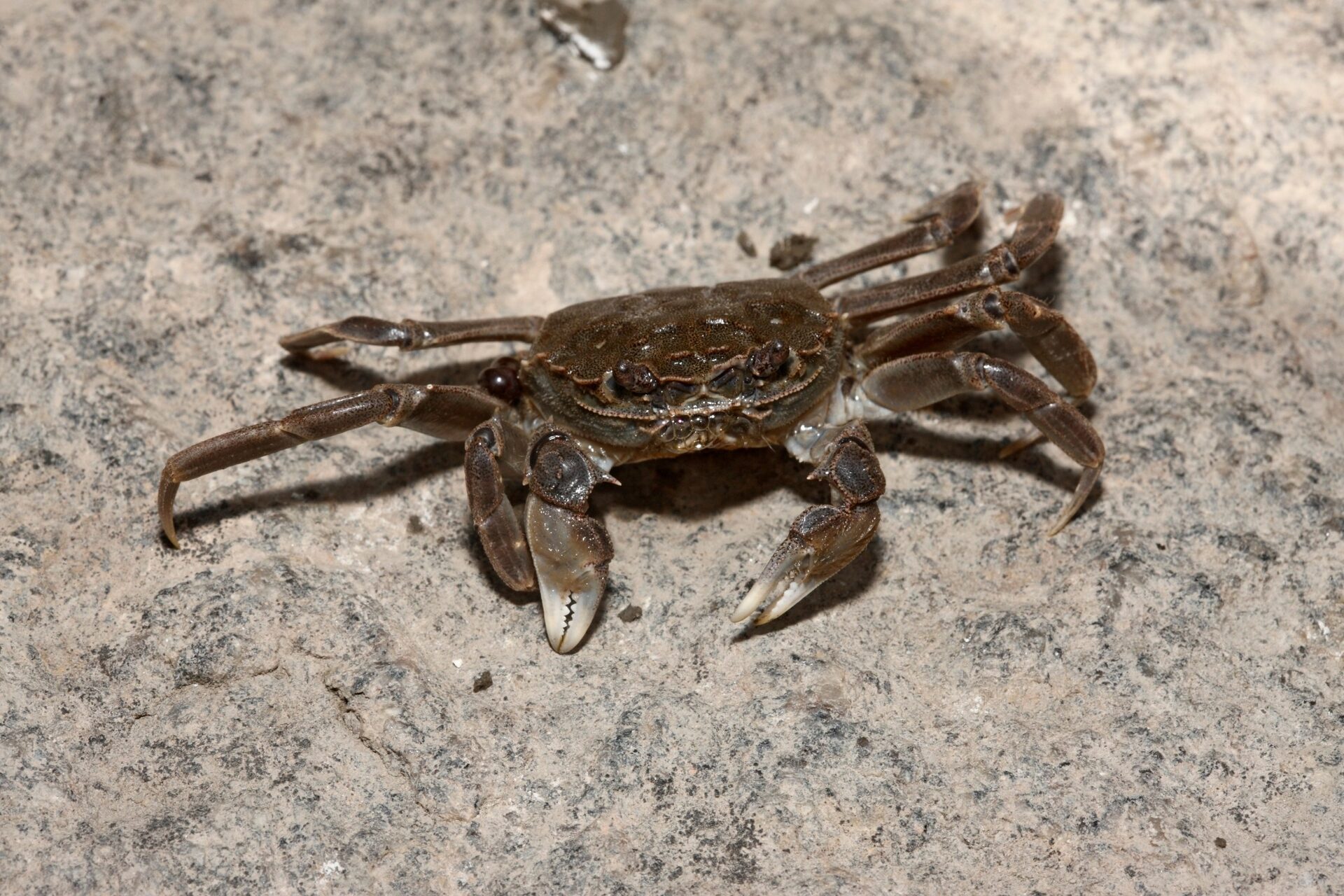
August 2025: Launch of the first marine conservation fund projects
The “Marine Nature Conservation Fund” kicked off in August 2025 with a project by the Alfred Wegener Institute to combat the invasive mitten crab. This was followed shortly afterwards by a project by Bremen University of Applied Sciences to reintroduce salmon and trout to the Weser, which we reported on in the DBU News newsletter. A total of eight projects received funding approval in 2025. The funding amount for all projects is around five million euros.
More about the mitten crab project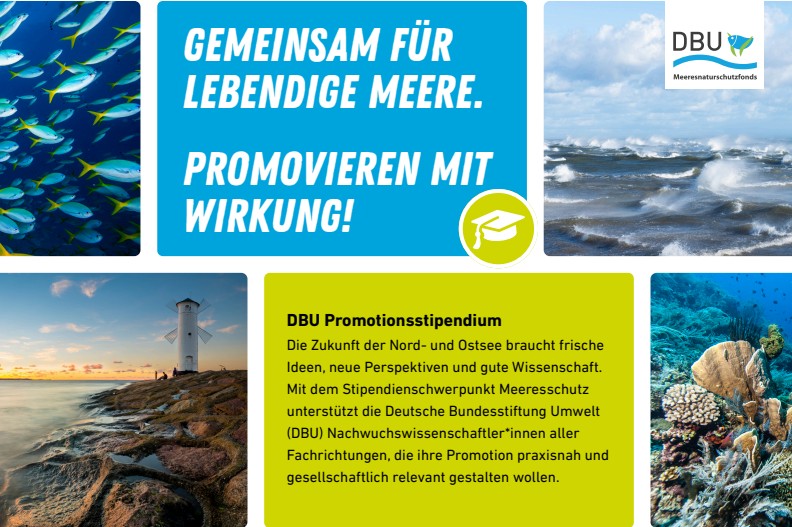
September 2025: Application phase for the DBU fellowship focus on marine conservation begins
As part of its doctoral scholarship program, the DBU has established an interdisciplinary funding priority. This is based on the goals of the UN Ocean Decade and is dedicated to the challenges of protecting the North Sea and Baltic Sea in the area of conflict between use and pressure. Since September 2025, graduates from German universities have been able to apply for funding. We are looking for doctoral projects from a wide range of topics in marine environmental protection – from ecosystem and technology-based approaches to social, economic and legal issues.
How the scholarship focus works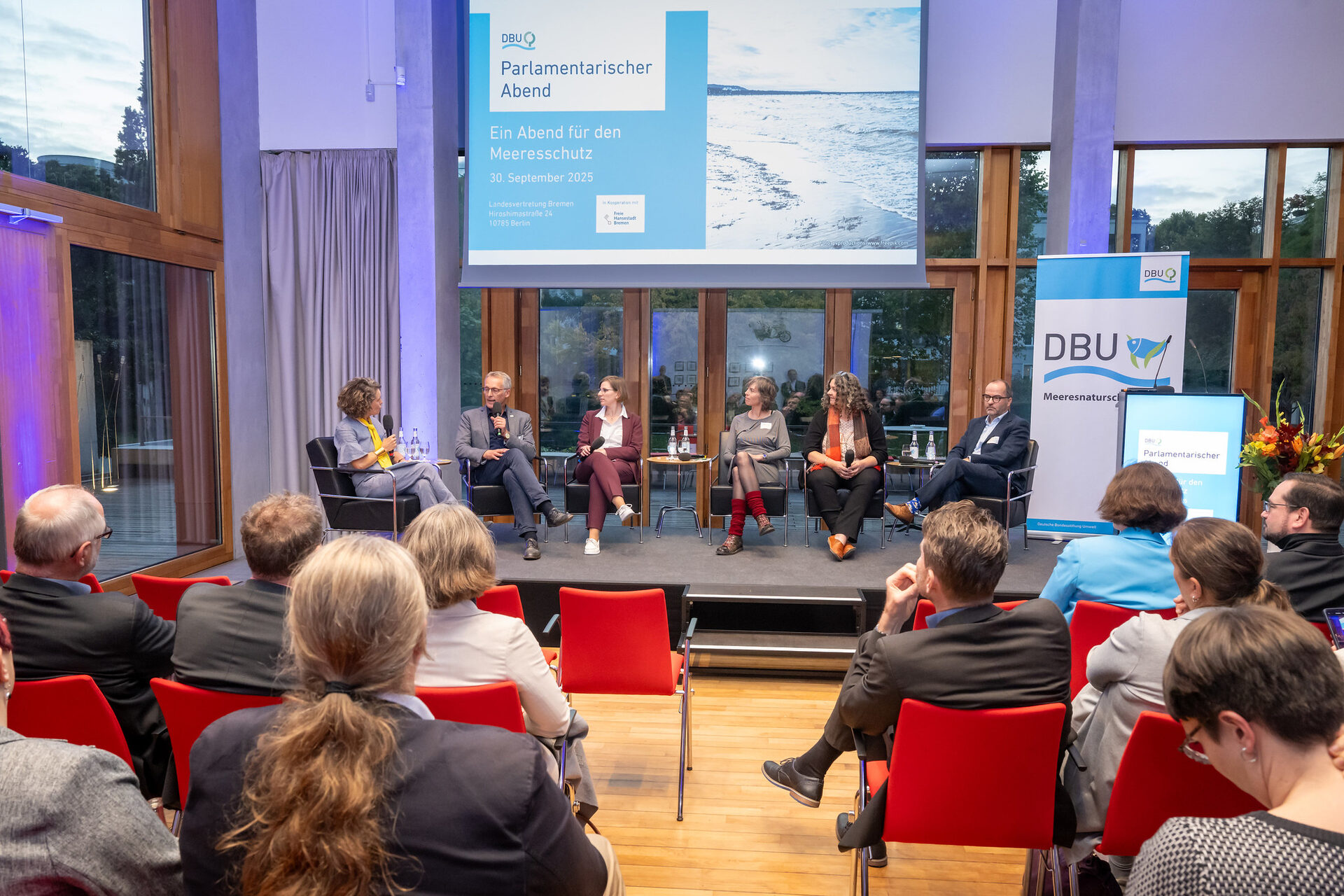
September 2025: Parliamentary evening of the DBU in Berlin on marine protection
How the conflict between the protection of the North Sea and Baltic Sea and the use of this sensitive habitat can be resolved was the focus of the Parliamentary Evening on September 30, 2025 in Berlin, to which the DBU and the Free Hanseatic City of Bremen had invited. The discussion showed that there are already initial projects that give hope, but at the same time there are many unanswered questions that require evidence-based decisions. It also became clear that a sustainable balance between climate protection and marine nature conservation can only be achieved through cooperation between politics, business, science and civil society.
More information in the DBUaktuell newsletter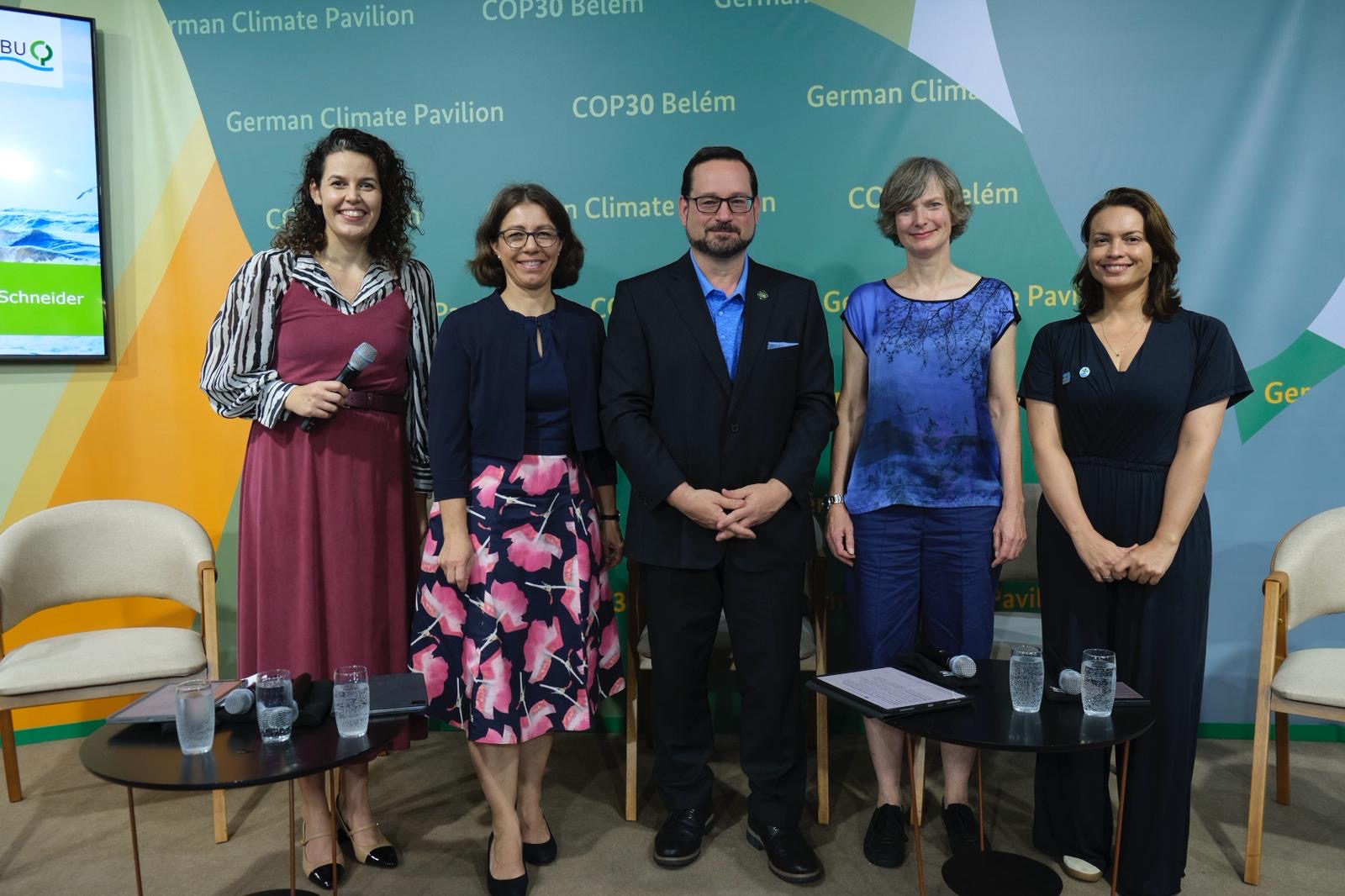
November 2025: Participation in the COP30 in Belém
The DBU was on site at the 30th Climate Change Conference (COP30) in Belem from mid-November with a team and hosted two side events in the German Climate Pavilion: While the side event “The Peatland Breakthrough: From Evidence to Action” dealt with the rewetting and restoration of peatlands, the focus on November 18 was on the oceans. At the DBU event “Scaling up marine nature conservation and climate solutions” addressed how oceans can be protected and used as CO₂ reservoirs and how renewable energy projects such as offshore wind can be designed in an environmentally friendly way – a topic that relates to both climate protection and marine ecosystems.
Read more in DBUaktuellThe team behind the DBU Marine Nature Conservation Fund
One year of the Marine Nature Conservation Fund is now behind us – a year of valuable impetus and constructive discussions. The Marine Nature Conservation Fund project group would like to express its sincere thanks for the intensive exchange and diverse support, which have made a significant contribution to raising the Fund’s profile, and looks forward to further exciting applications for funding.
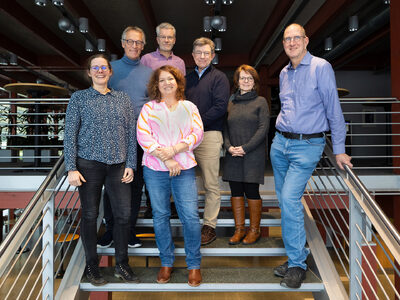
The contact details of the contact persons for the Marine Nature Conservation Fund can be found here.