Virtual Academy for Education for Sustainable Development in Slovakia
Keywords: education for sustainable development, SDGs, climate change, sustainability skills, planetary health, citizen science
Subject and objectives of the project
Education for Sustainable Development (ESD) is an elective subject in the Slovakian national education program for schools. Although the elective is clearly defined in terms of its objectives and educational standards, several challenges can be observed in practice: a lack of educational materials, a lack of attractiveness and theory-heavy formats. ESD programs in Slovakia are outdated and focus on simple skills such as waste separation and common knowledge. They do not exploit students’ potential and do not challenge them to think in complex, problem-solving ways. They usually present information without a broader context, without a focus on current solution options, without the use of modern/digital tools, without a focus on their own consumer behavior (as a solution approach), without a focus on the climate crisis (including measures for climate change adaptation). Such aspects should be taken into account in the school context in the future. The aim of the project was to develop and test a complex, practical model of year-round informal ESD for primary and secondary school pupils (aged 6 to 15) and to introduce it as a permanent educational program in Slovakia. The focus was on the topic of sustainable consumption. The aim was to test the promotion of ESD in schools as a model, increase the attractiveness of ESD in schools and achieve capacity building among teachers through further training.
The following activities were implemented in the project:
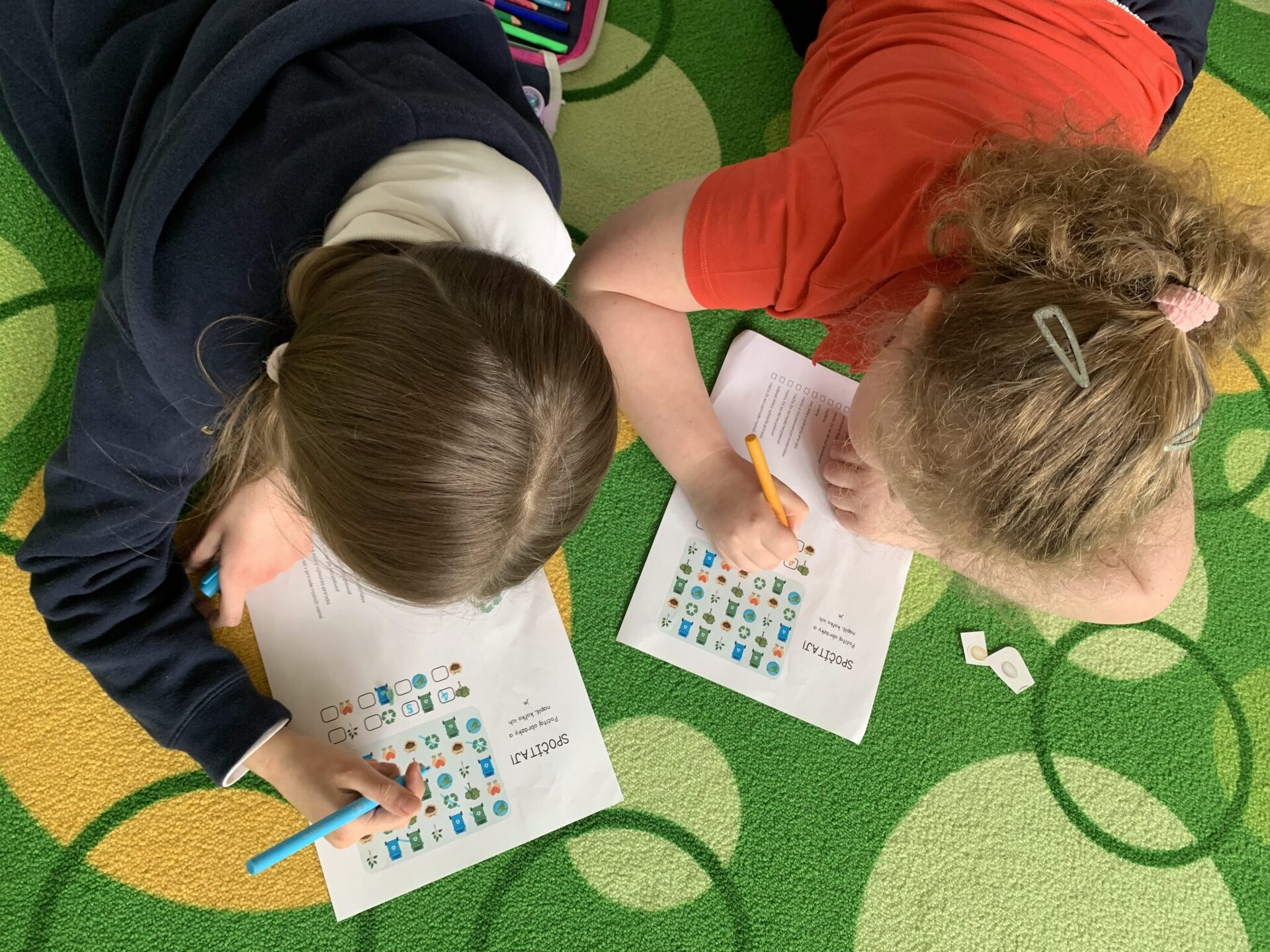
- Development of teaching materials for teachers (presentations, worksheets, practical activities);
- Development of methodological manuals, including thematic educational plans;
- Development of a website to host educational materials for teachers and a digital interface for pupils
- Testing of educational programs with developed materials in four selected schools;
- Public relations work for the project.
The educational program with modules for primary and secondary school pupils and training modules for teachers focused on the following three key topics:
- Humans and nature – humans as part of a system and effects on ecosystems (climate crisis, relationships in nature);
- Resource management (resources and materials in products, circular economy);
- Responsible consumer behavior (waste management, responsible companies, sustainability).
The “Academy of Sustainability – Juniors” program was developed for primary school pupils aged 6 to 10. As part of the program, pupils were given access to information and practical activities on the topic of sustainable consumption. The aim was to enable pupils to gain practical experience of more sustainable options for action and to engage with the topic beyond the classroom, at school, in the family or in the community.
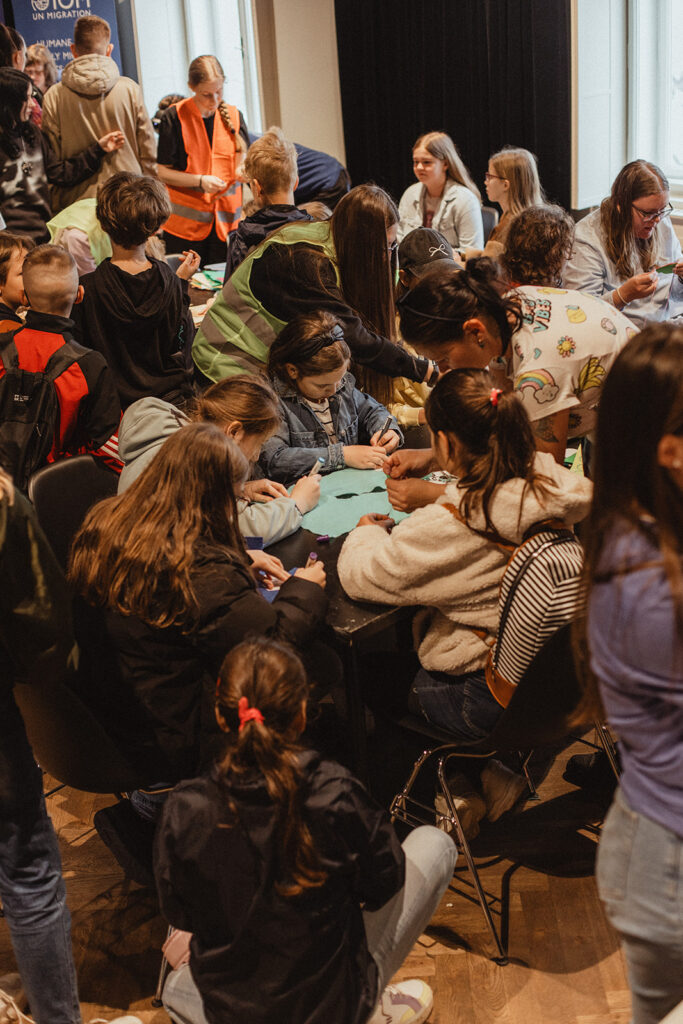
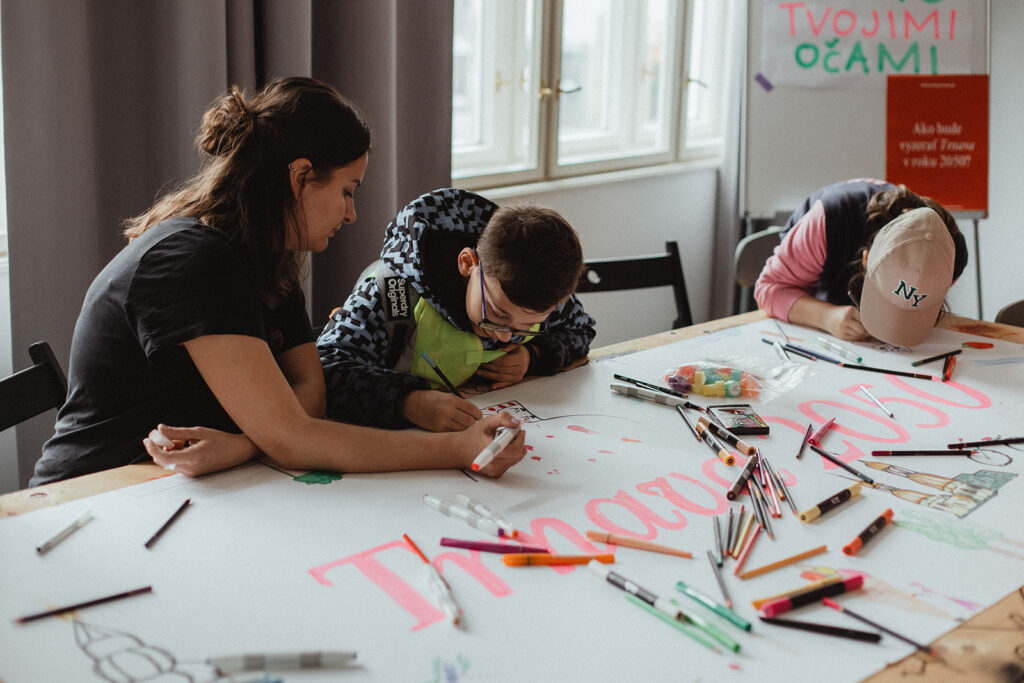
The “Academy of Sustainability – Professionals” program was designed for secondary schools. The target group here is pupils aged 11 to 15. The program aims to provide a practical introduction to the principles of the circular economy, sustainable development and responsible consumer behaviour in practice. For example, they were asked to carry out a “sustainability audit” at school and assess which alternative actions could be considered, e.g. in the areas of energy/energy efficiency, procurement, catering and mobility. The results of the audit were discussed with external stakeholders and experts and self-organized events such as workshops, swap meets, etc. were held for classmates and teachers focusing on the following topics:
- Climate crisis – Who else but us;
- Greenwashing or how to (not) be fooled;
- Recycling and upcycling (practical workshop);
- There is another way(sustainable product alternatives).
Both programs were implemented as part of all-day care. However, the content was prepared in such a way that it can also be embedded in regular lessons. The website will be updated with new materials and content beyond the funding period. It already reached around 700 pupils and teachers during the project period. Around 50 teachers were reached with the online training courses during the project period.
Innovation and exemplary nature of the project
The project results in a comprehensive, integrated, practical and field-tested model of year-round education that does not currently exist in Slovakia. The programs are student-centered, with the aim of strengthening skills and self-efficacy. Teachers act as “coaches”. The project website, which is unique in Slovakia, contains not only materials for teachers, but also activities for pupils. The innovative character of the project also lies in its practical relevance and interactivity. The students had the opportunity to experience sustainability and circular economy in practice and participate in the implementation of the principles in a school environment. They organized events for their classmates and tested the organization, communication and coordination of these actions / events (book SWAP, clothing SWAP, workshops for classmates, upcycling workshop, testing the functioning of the reuse center at school).
Special aspects of the project
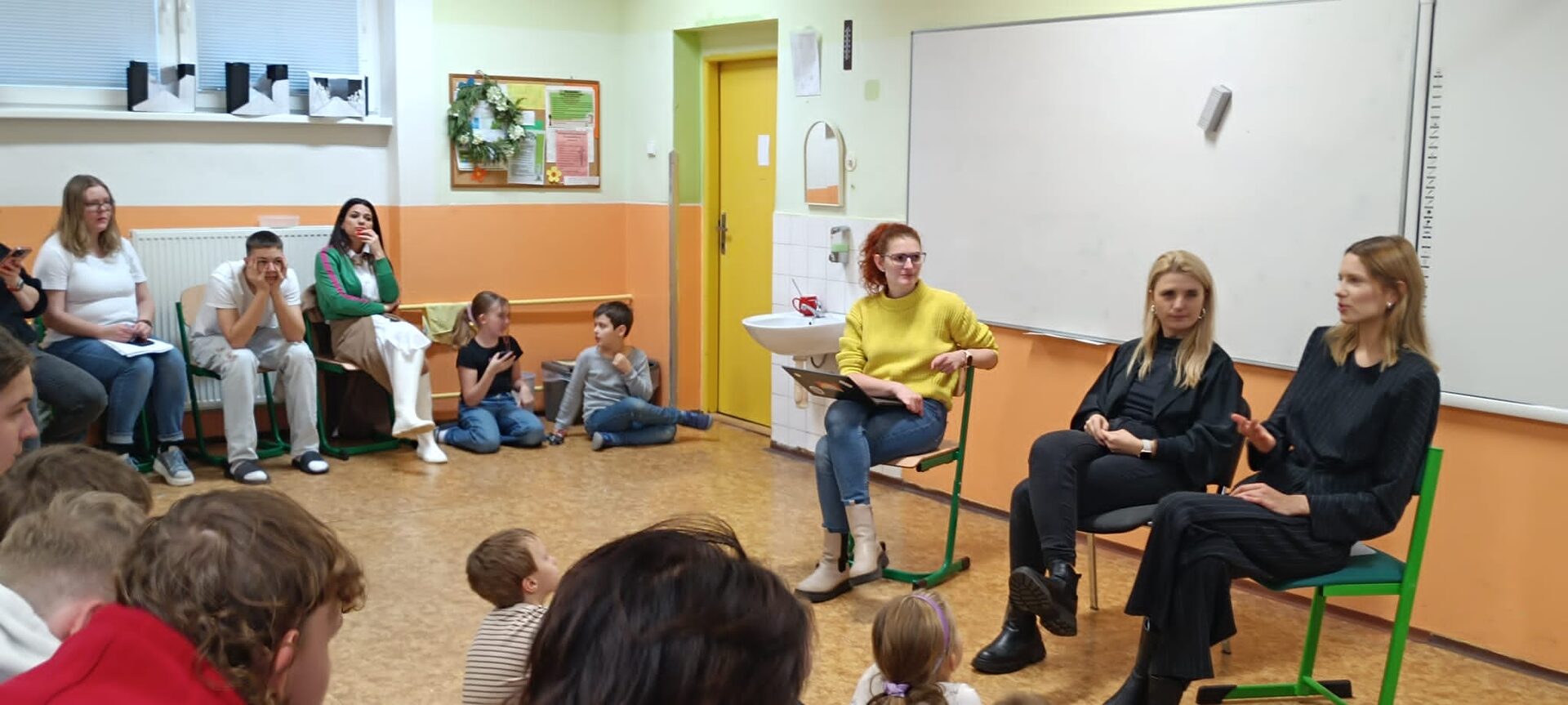
An important component of the programs is the cooperation of extracurricular actors with teachers in the context of further training and mentoring of the programs to be developed and tested. An integral part of the teacher training was, among other things, the participation of teachers in the development of materials and activities. The German applicant, Ruhr University Bochum (RUB), Department of Geography Didactics, was responsible for providing technical and didactic advice on the development of materials as well as methodological manuals and training plans for teachers. He provided methodological and didactic advice during the testing and evaluation of the developed materials in the selected schools and the dissemination of the materials and educational programs in Germany.
Funding topic 1: Sustainability communication, education and evaluation
Project implementation:
Place of activity: Slovakia
Funding period: June 2024 to December 2025
Project costs: Total volume: 274,570 euros, funding from DBU: 174,456 euros
DBU-AZ: 39482
Status: 10.03.2026