DBU German Environmental Award for Roda Verheyen and Klaus Vossenkaul
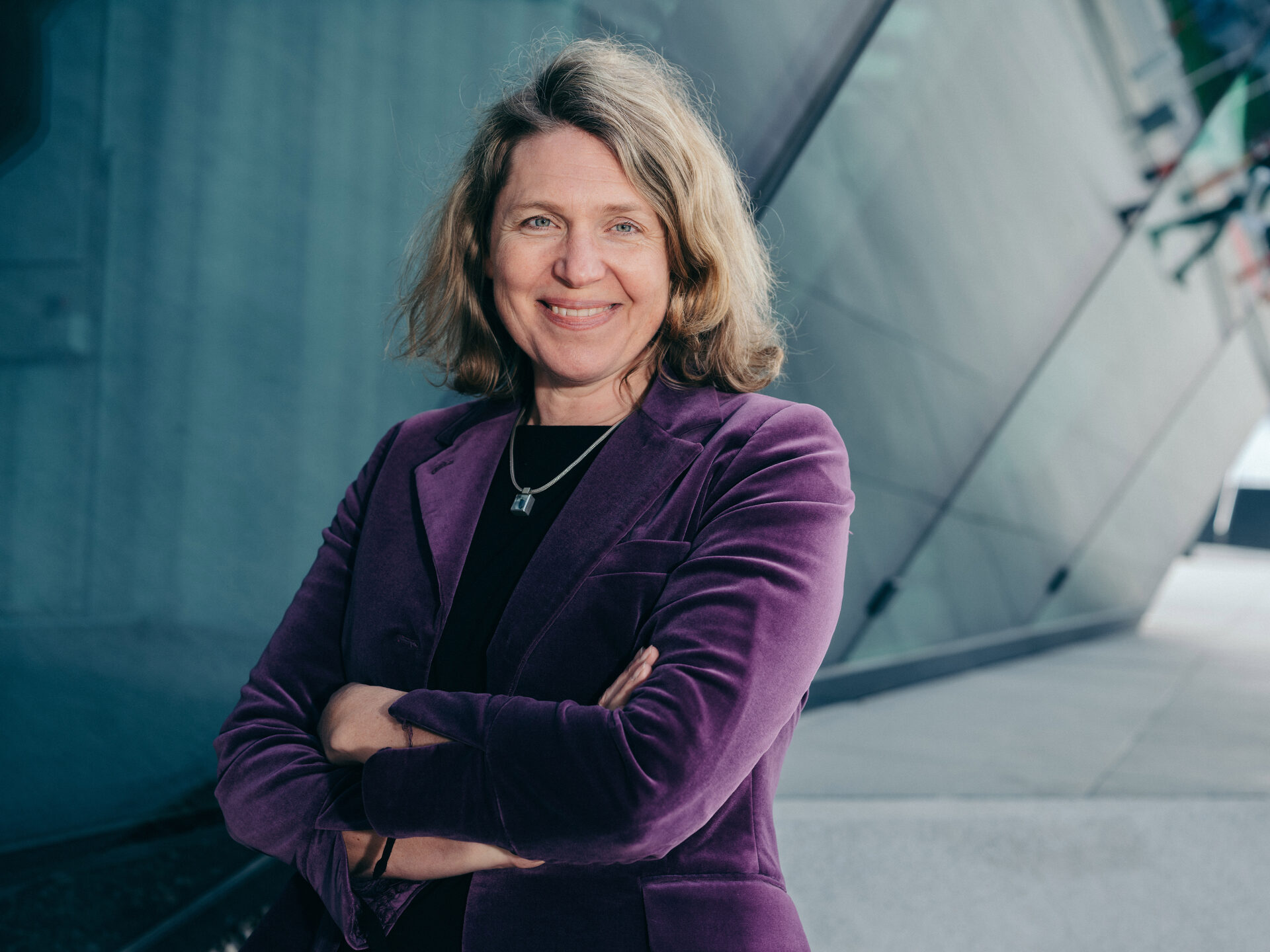
Osnabrück/Aachen. This year, the German Federal Environmental Foundation (Deutsche Bundesstiftung Umwelt, DBU) is awarding the German Environmental Prize, worth a total of 500,000 euros, to Hamburg-based environmental lawyer Dr. Roda Verheyen and membrane filter engineer Dr. Klaus Vossenkaul, founder and CEO of the company Membion. The award, which is one of the most highly endowed environmental honors in Europe, will be presented by Federal President Frank-Walter Steinmeier on Sunday, October 25, at a ceremony in Aachen.
Giving a voice to those affected by climate change
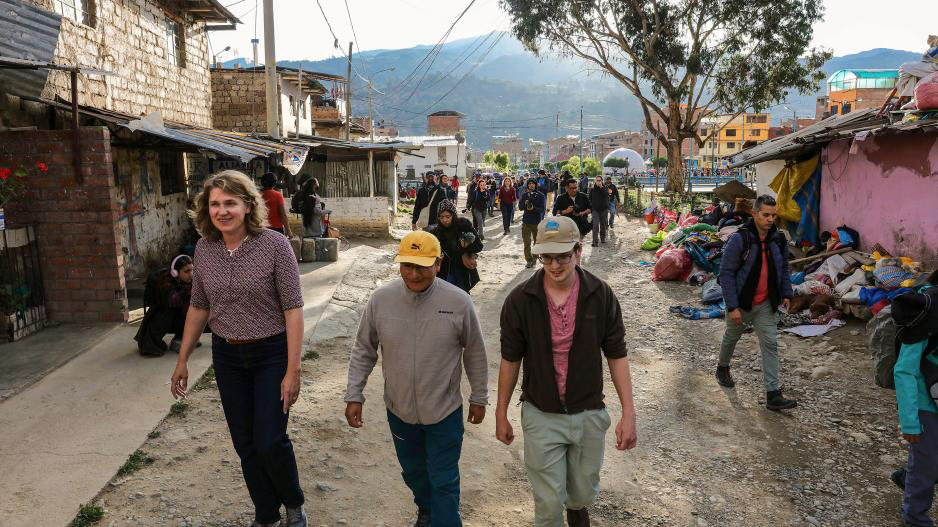
According to DBU Secretary General Alexander Bonde , Verheyen and Vossenkaul are “carrying out innovative , pioneering work and advancing environmental protection.” Verheyen has been “advocating for climate justice for years.” Bonde said, “she gives a voice to those affected by climate change.” Vossenkaul, for his part, has, as an entrepreneur, “found solutions to better protect the vital resource of water with courage, perseverance, and innovative spirit,” says Bonde. And: Vossenkaul has “achieved a very important breakthrough in wastewater treatment.” As a co-founder of previous companies, he also brings “extensive expertise” to the table.
Membion, a membrane filter company, started out as a garage-based business
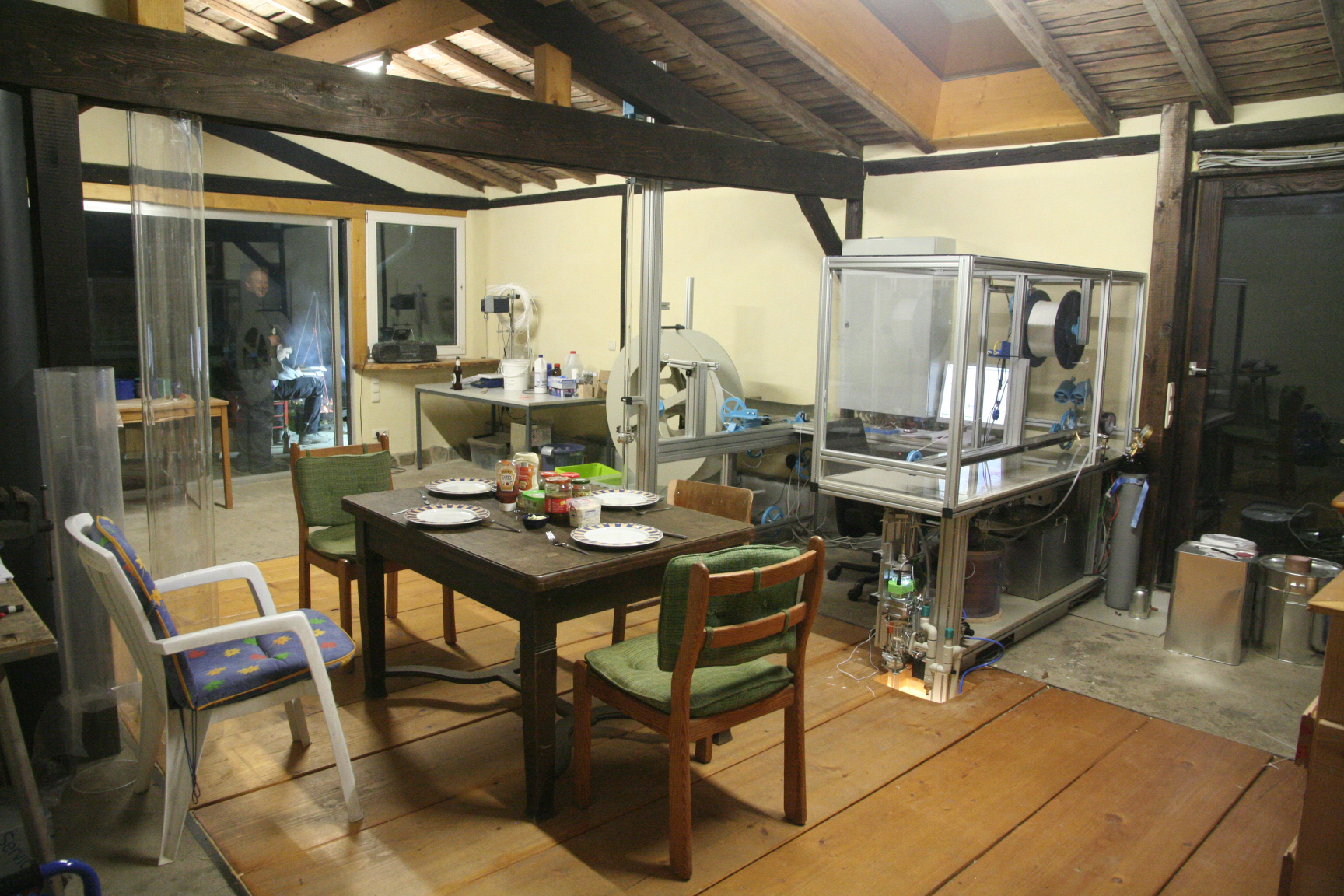
Vossenkaul’s company, which today has 40 employees, literally got its start in 2012 as a garage-based business. To this day, it is headquartered in an old building that used to be a weaving mill in Roetgen with a small workshop. In the early years, Vossenkaul and his partner, process engineer Dirk Volmering, devoted themselves exclusively to the further development of membrane bioreactor (MBR) technology. The result could revolutionize wastewater treatment: an energy-efficient and space-saving treatment system using hollow-fiber membrane filters—thin tubes that, when used in wastewater treatment plants, filter crystal-clear water from the sludge. They look like spaghetti, are hollow like macaroni, and are about 1.60 meters long. Fine pores filter problematic substances such as microplastics, pathogens, and multidrug-resistant germs out of the wastewater. Although membrane filter technology has already provided significantly better water quality than conventional wastewater treatment, there was a catch: among other things, the high energy consumption required to flush the membranes—to prevent sludge clogging—deterred many wastewater treatment plant operators from installing the system. Vossenkaul improved the membrane filter technology—which was already technically and ecologically superior to traditional wastewater treatment plants—to such an extent that it is now also cost-competitive.
“This is GreenTech made in Germany, and it has what it takes to be a big export hit.”
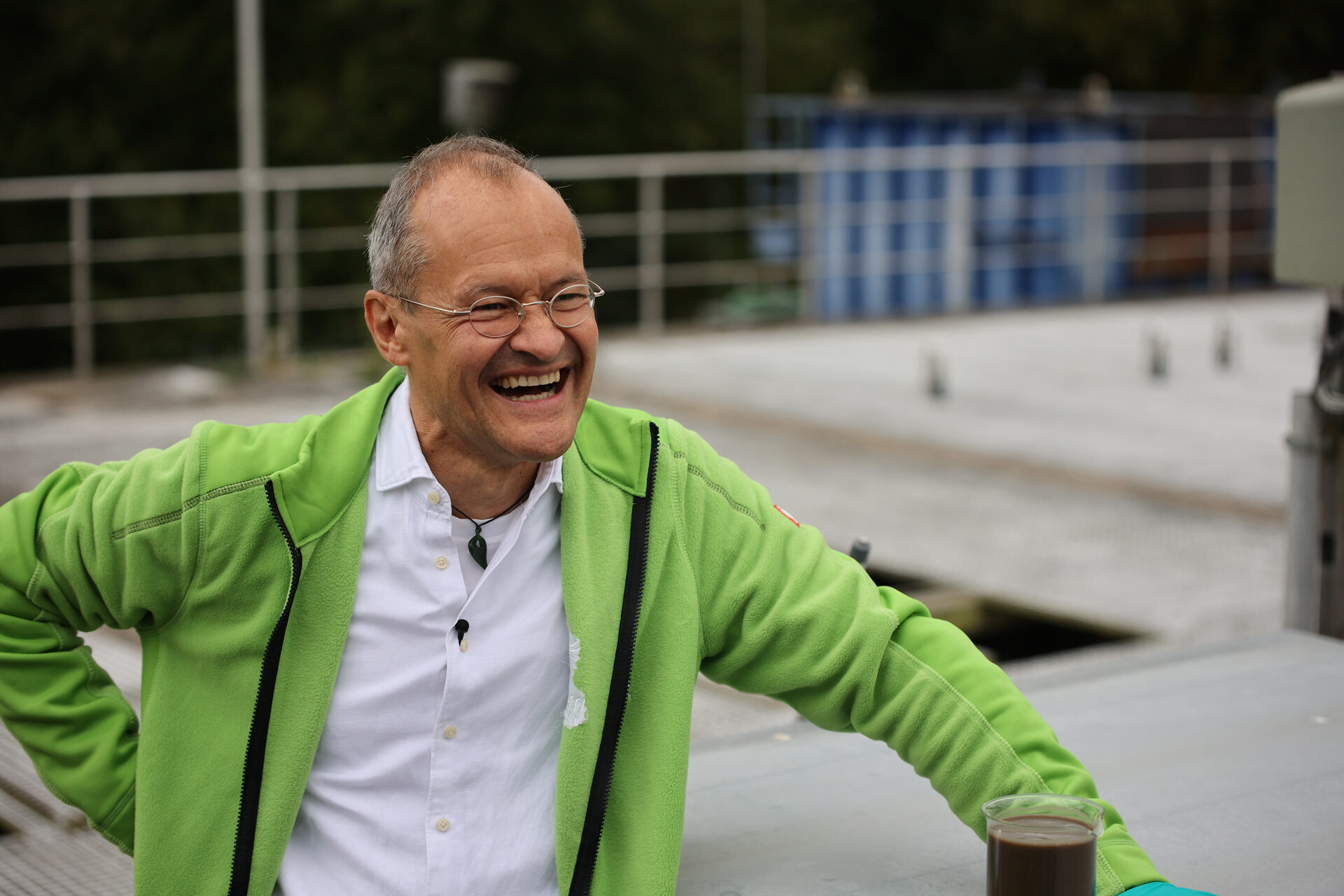
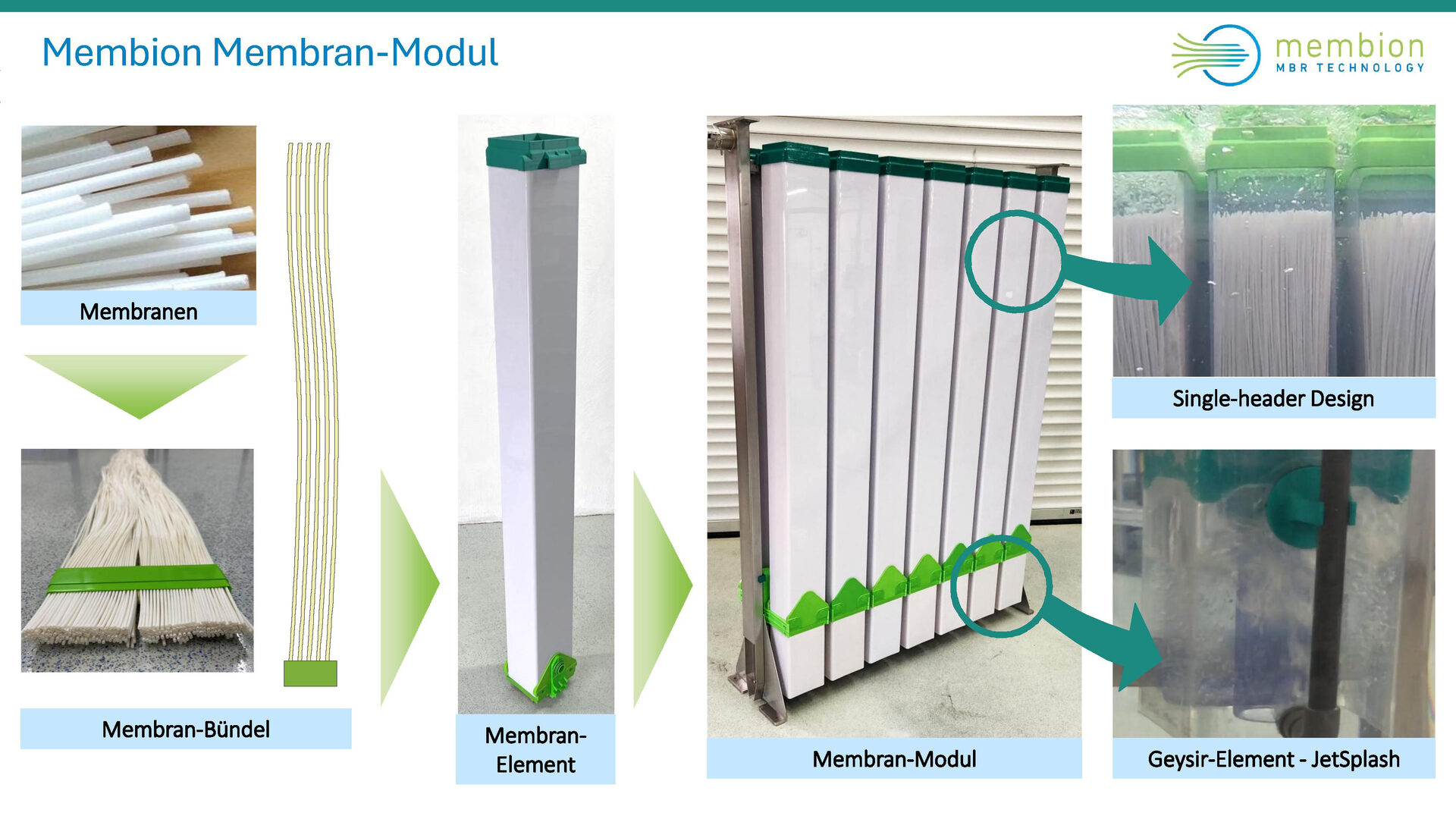
“This is GreenTech made in Germany, and it has what it takes to be an export hit,” says DBU Secretary General Bonde. In fact, Membion technology is already being used in industry, including by McCain, the world’s largest producer of French fries. What’s more, it is at the heart of Germany’s largest membrane wastewater treatment plant, which is currently under construction in Wolfsburg-Stahlberg. Of the roughly 8,700 wastewater treatment plants nationwide, hundreds are facing such a transformation: The EU’s Municipal Wastewater Directive (Kommunale Abwasserrichtlinie, KARL) requires facilities above a certain size or in high-risk areas to implement an additional fourth treatment stage to remove micropollutants by the end of July 2027. Vossenkaul considers his company well-prepared for this: with fully automated membrane production and a modular system. Various elements can be easily slotted together. More than 1,600 “macaroni” membranes are anchored in a base element and float freely like seaweed in enclosed, man-sized housings submerged in the sludge of the wastewater treatment plant. In Wolfsburg, 3,000 such base elements will be used in the future. The membranes are flushed in a matter of seconds by a burst of air through the “JetSplash” (water splash), one of Vossenkaul’s 28 patents. The crystal-clear water discharged from the treatment plants protects surface waters such as rivers, lakes, and reservoirs and is suitable, for example, for agricultural irrigation. This, in turn, protects groundwater, from which drinking water is extracted—a factor of increasing importance due to extreme weather events such as droughts and heat waves resulting from climate change – as we have experienced in this year’s summer.
Verheyen’s consistent commitment to enforcing legal requirements for environmental and climate protection
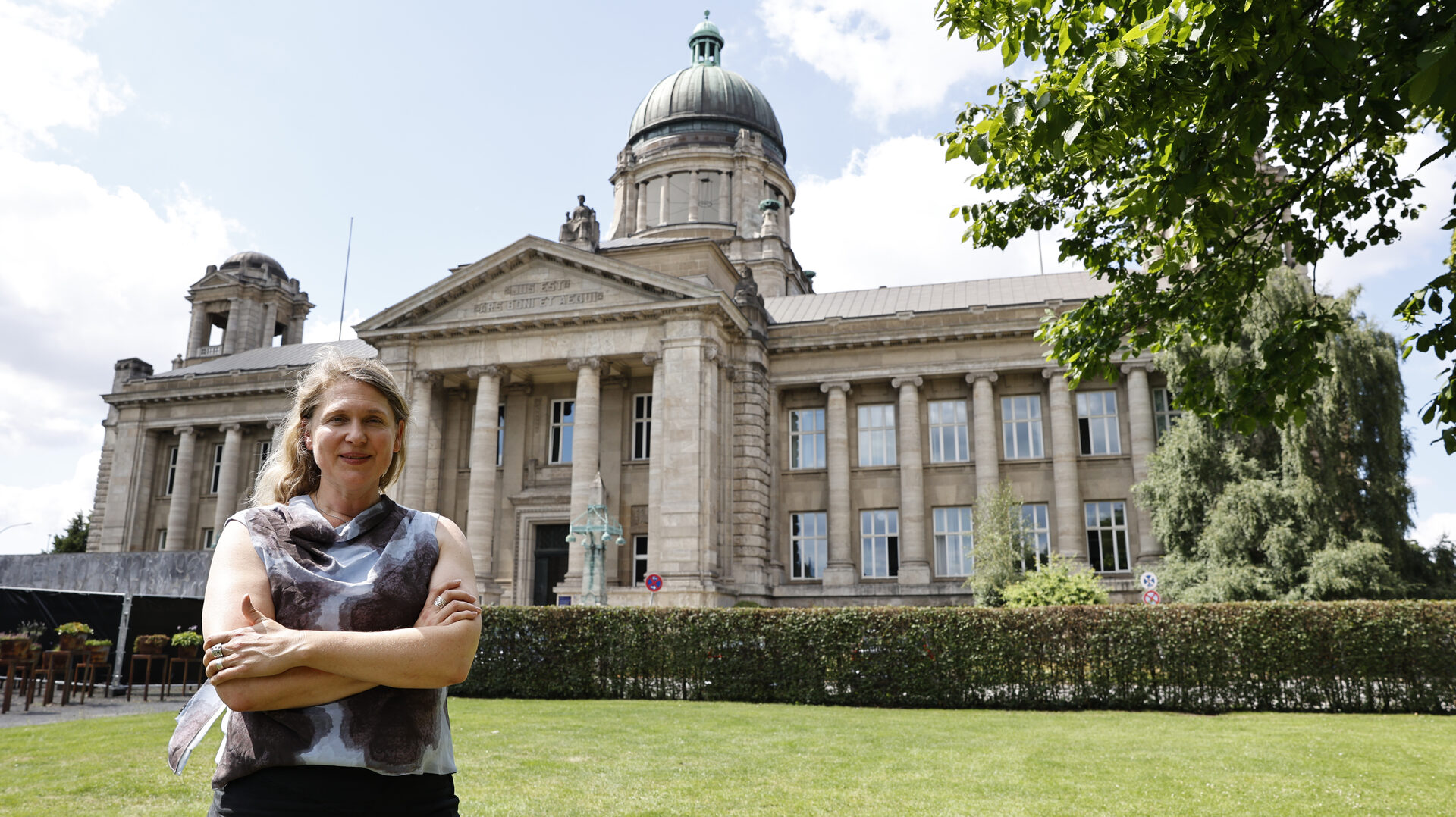
According to Bonde, Verheyen, for her part, has been working tirelessly for more than two decades to enforce legal requirements for the protection of the climate and the environment. The Hamburg-based environmental lawyer applies abstract rules from national and international law to specific cases “and thereby makes them effective. She gives a voice to people affected by the impacts of climate change.” And she helps to safeguard the rights of future generations as well. Bonde: “She has played a key role in ensuring that courts can take environmental and climate considerations into account appropriately.” This “outstanding communicator” conveys complex issues to a broad public, according to Bonde.
“An Important Contribution to Long-Term Climate and Environmental Protection”
The environmental lawyer was born in Düsseldorf in 1972 and grew up in Hamburg, where she studied law, as she did in London and Oslo. As a lawyer, she has always focused on issues arising from climate change and environmental changes. Verheyen sees herself as an “enabler” who strengthens the state’s capacity to act in the face of the climate crisis. To this end, she draws on the full range of legal options available. For example, she serves as an expert witness, drafts legislative proposals, advises policymakers and civil society, and files groundbreaking lawsuits. Her legally sound arguments make “an important contribution to long-term climate and environmental protection,” says DBU Secretary General Alexander Bonde.
- Data, figures, and facts are also available on the DBU Environmental Award blog: https://www.dbu.de/umweltpreis/umweltpreis-blog/
Background:
The DBU’s German Environmental Prize, which will be awarded for the 34th time in 2026, honors the achievements of individuals who make exemplary contributions to the protection and preservation of the environment. Employers’ associations, labor unions, churches, environmental and nature conservation organizations, scientific associations, research communities, the media, the skilled trades, and business associations are eligible to submit nominations to the DBU. Self-nominations are not permitted. A jury of independent experts from business, science, technology, and civil society—appointed by the DBU Board of Trustees—recommends award recipients to the DBU Board of Trustees for each year. The DBU Board of Trustees makes the final decision. Information about the German Environmental Prize and the awardees: https://www.dbu.de/umweltpreis.