Water treatment systems from Boreal Light GmbH for Ukrainian municipalities in the Odessa region
Keywords: Drinking water supply, water treatment, Ukraine
Subject and objectives of the project
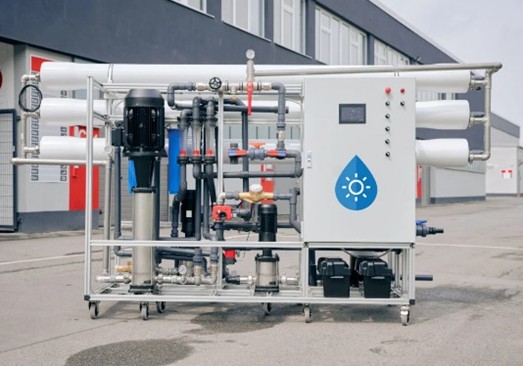
The project aims to substantially improve the drinking water supply in two Ukrainian communities in the Odessa region through decentralized and sustainable water treatment. The background to this is the inadequate water quality of existing sources and the high susceptibility of central supply structures to failure. The use of solar-powered water desalination plants creates a robust, energy-efficient and crisis-resilient solution that can be operated reliably even in the event of infrastructural restrictions.
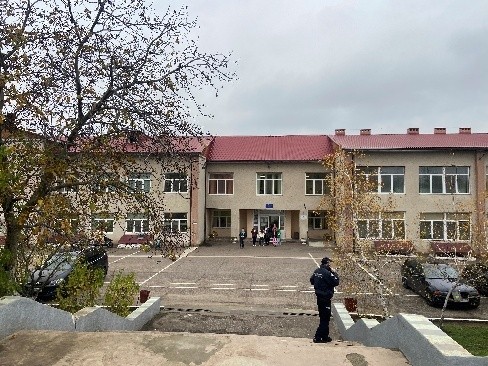
The project comprises the installation of two water desalination plants, including pre-treatment in line with demand, each with a capacity of 2,000 liters per hour. In addition, ten local specialists will receive practical training in operation and maintenance in order to ensure long-term, independent and sustainable plant operation. The project improves access to safe drinking water for the civilian population, particularly for sensitive groups such as students, teaching staff and internally displaced persons. At the same time, the use of renewable energies and the extensive avoidance of chemical-intensive treatment processes will significantly reduce the environmental impact. The overarching goal is to establish a technically reliable, resource-efficient and locally operable water infrastructure that sustainably improves both the quality of life and the resilience of the communities.
Innovation and exemplary nature of the project
The project is characterized by a novel, highly automated system concept that uses solar energy as the primary energy source and dynamically supplements grid power. The control system reacts in real time to fluctuations in solar radiation and water parameters without the need for manual intervention. The absence of complex components such as battery storage reduces costs, maintenance requirements and technical susceptibility to faults. Sensor-based control mechanisms continuously optimize efficiency and yield, even with varying raw water quality. This combination of energy efficiency, resource conservation and operational simplicity is highly transferable to other regions with comparable challenges. The modular system design enables flexible scaling and facilitates replication in other municipalities. This makes the project a clear model for resilient water infrastructure under difficult conditions.
Special aspects of the project
A central component is the consistent transfer of knowledge to local stakeholders. The qualification of local specialists strengthens personal responsibility, employment opportunities and technical independence. The facilities are also made available as places of learning, thus combining environmental technology and education. The approach promotes a practical understanding of the sustainable use of resources and modern water treatment. The environmentally friendly mode of operation without chemical-intensive processes achieves a high level of ecological compatibility. At the same time, the project contributes to social stabilization, as reliable access to clean water is a fundamental prerequisite for health, everyday life and institutional functioning.
Project implementation:
- Ukrainian communities (Krasnosilska, Tairovska)
- Odessa Regional Development Agency
Place of work: Odessa region, Ukraine
Funding period: October 2025 to October 2027
Project costs: Total volume: 219,391 euros, funding from DBU: 164,841 euros
DBU-AZ: 40292
Status: 10.03.2026