Sustainable use of organic residues in Kosovo: Development of a concept and ways of implementation using the example of the municipality of Viti (ORG-VITI)
Keywords: climate protection, resource conservation, environmental technology
Subject and objectives of the project
In the Republic of Kosovo, organic municipal and agricultural waste has so far not been used sustainably, but disposed of in a way that poses risks to nature, the environment and people. At municipal level, there is a fundamental interest in the sustainable use of organic residues as bioresources, but the establishment of a circular economy poses major challenges for local actors.
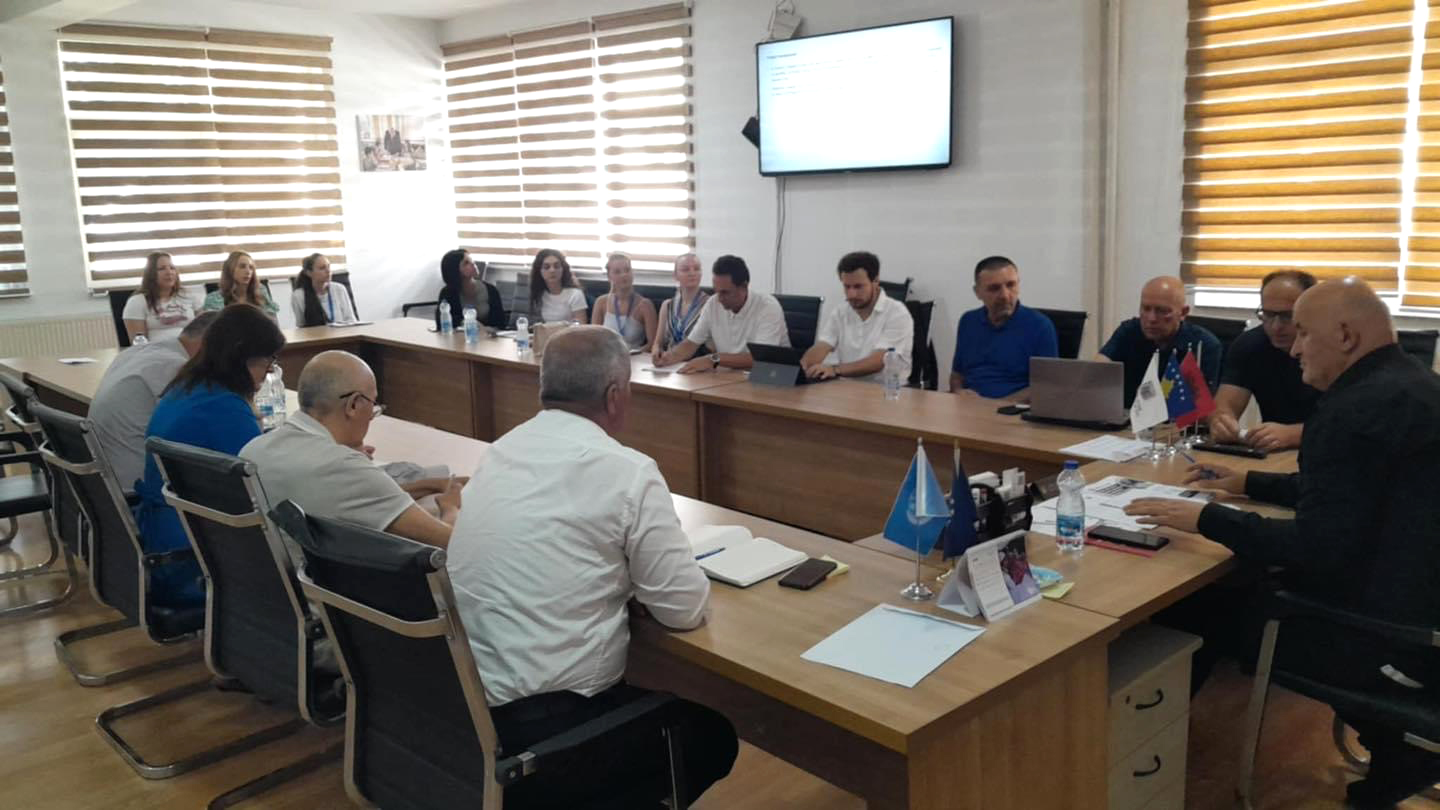
The project will initially discuss experiences with all project partners on current and future solutions with a focus on waste disposal and residual utilization of organic materials in Viti. A database on the qualities and potential uses of organic residues, sampling in settlement areas and agriculture as well as chemical analyses serve as a technical basis for the development of alternative uses and value chain concepts for the sustainable use of organic residues. The following topics will be discussed in several expert workshops:
- Incentive models that could be considered for the collection and use of organic biomass in the municipality of Viti in the future
- Consideration of initial assessments with regard to possible environmental impacts (e.g. reduction of greenhouse gas emissions)
- Market opportunities, expected costs, financial profit prospects and legal limitations
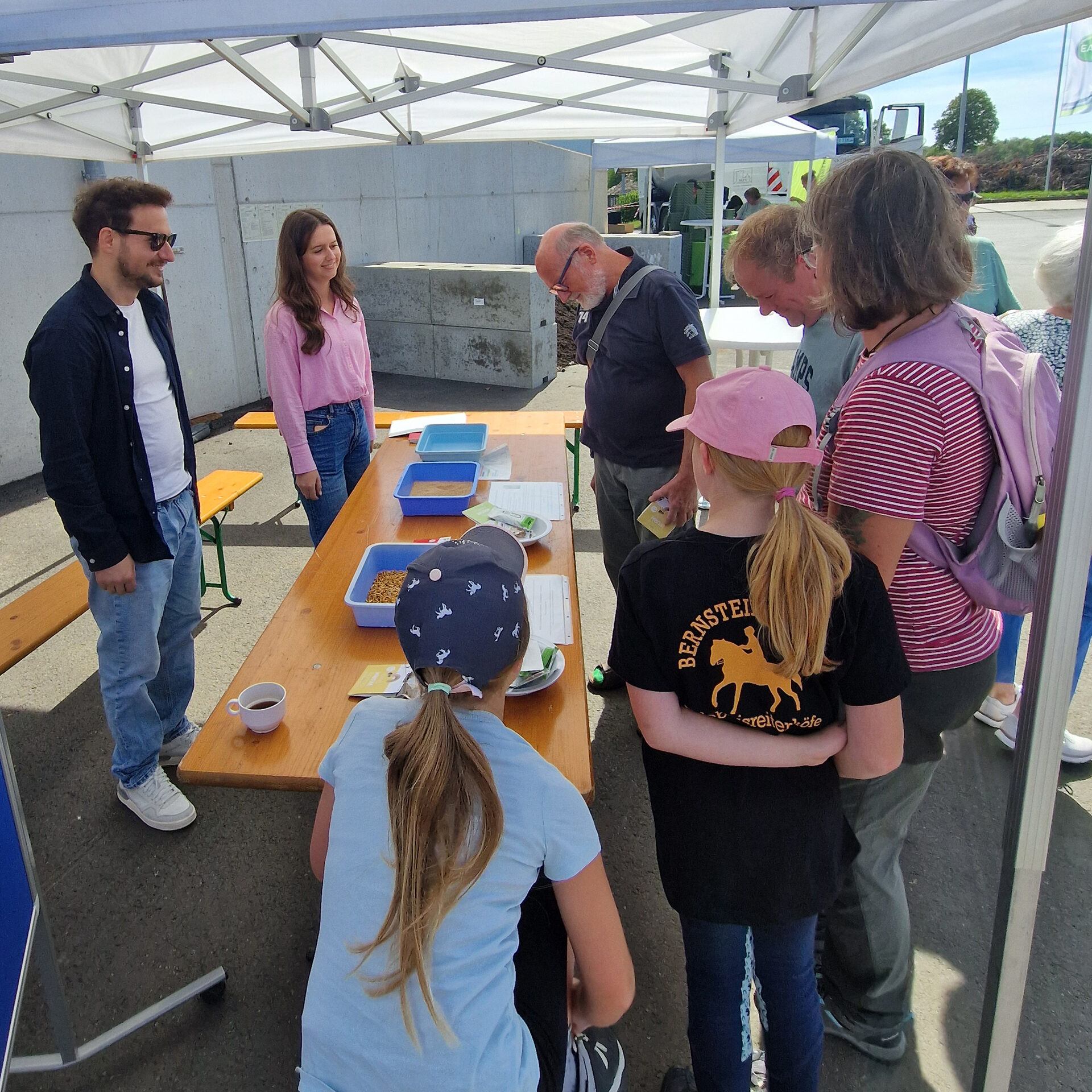
In addition, young people are also to be sensitized and introduced to the topic. For example, a workshop for schoolchildren will explore the topic of household waste and how it can be used as recyclable materials. At the same time, the workshop serves as the starting point for an information campaign to households to carry out a survey on the quantity and quality of “organic household waste” in the municipality of Viti. A summer university at the University of Prishtina is intended to give students from Kosovo and other countries in the Western Balkans a deeper insight into this topic and inspire further collaboration, e.g. as part of master’s theses.
The project is aimed at the following target groups:
- Authorities/administrations from the fields of environment, energy and rural development, municipal administrations and NGOs in the Republic of Kosovo
- Potential investors for the establishment of companies or branches of companies with the aim of sustainable utilization of organic residues
- Scientific institutions that conduct application-oriented research and development in the addressed field of action
Innovation and exemplary nature of the project
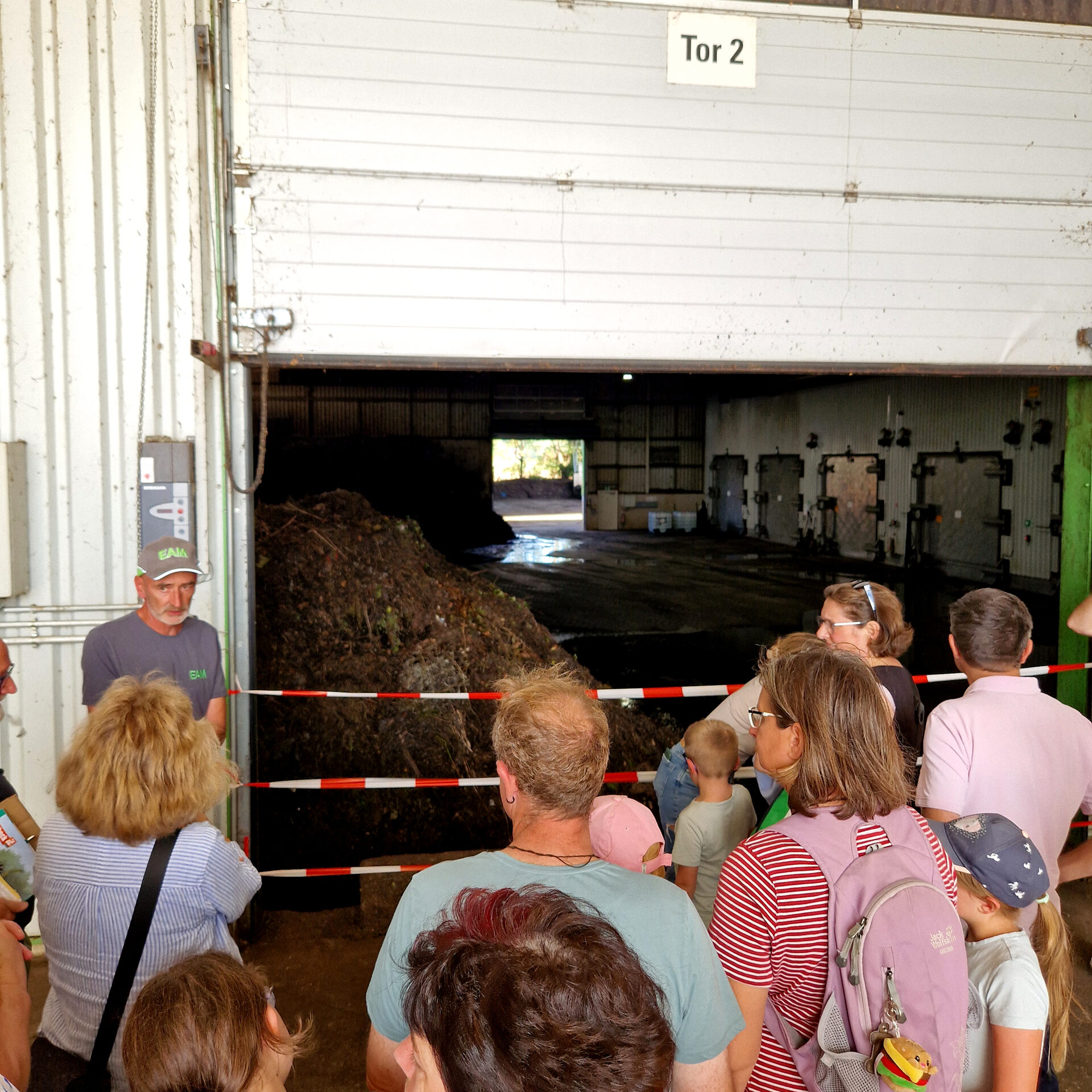
The project addresses a highly relevant environmental problem not only in Kosovo, but in all countries of the Western Balkans. In this respect, the findings from the project, starting with the development of basic information on the utilization potential of organic residues from household and agricultural waste, through the identification of value chains in the sense of economically and ecologically promising subsequent uses, to the exploration of interests and opportunities of potential investors and companies, have a significant transfer potential for the entire Western Balkans region. The close cooperation between the two municipalities of Kirchhain (Germany) and Viti (Kosovo) in the areas of collection, processing and recycling strategies for organic waste is also exemplary. The exchange takes place at the levels of science, municipal waste recycling and municipal administration.
Special aspects of the project
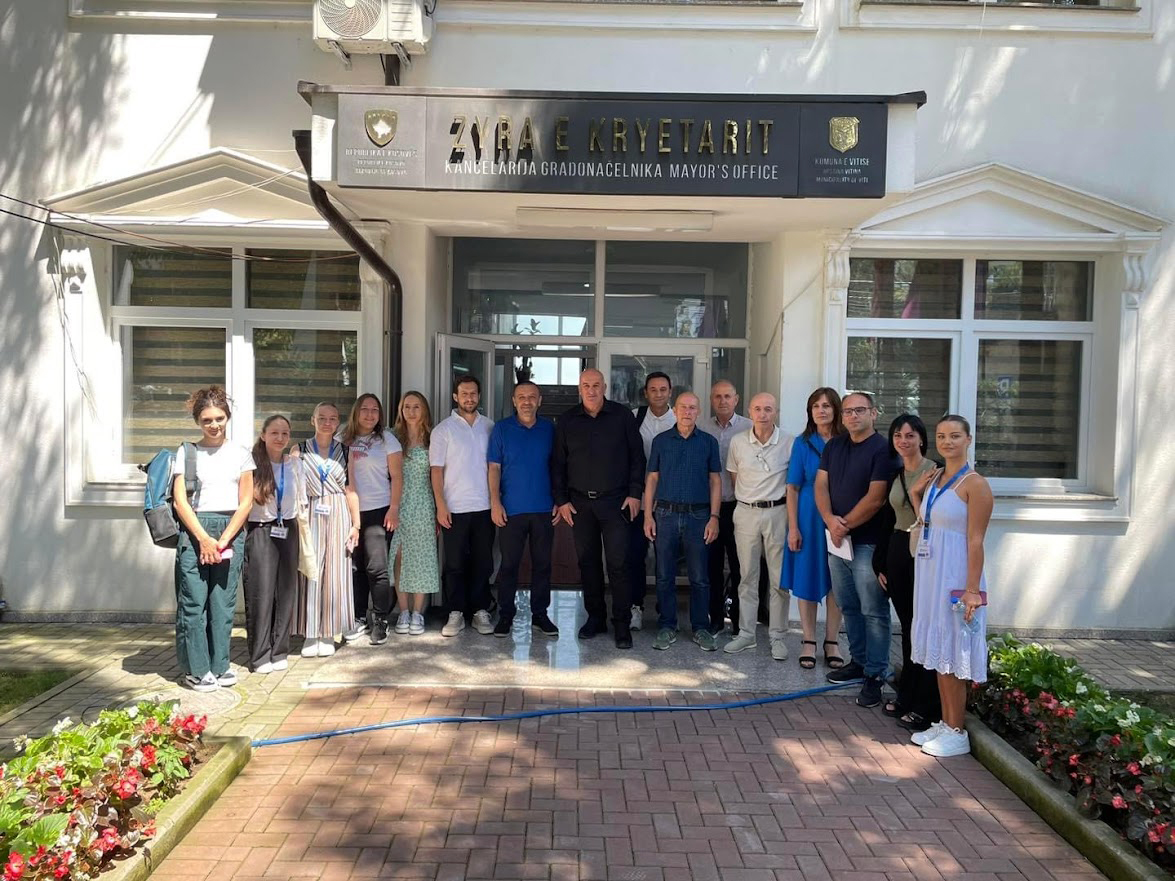
Important foundations for the cooperation between the project partners are a sustainability partnership between the municipalities of Viti and Kirchhain, which began in 2017 and has been contractually regulated as a town twinning between the two municipalities since the beginning of 2023, as well as a cooperation between the aforementioned universities, which has also been contractually regulated since 2012.
Funding topic 8: Recycling and efficient use of environmentally critical metals and mineral residues
Project implementation:
- Justus Liebig University Giessen
- University of Prishtina, Kosovo
- Municipality of Viti, Kosovo
- City of Kirchhain, Hesse
Place of activity: Kosovo
Funding period: June 2024 to June 2027
Project costs: Total volume: 177,044 euros, funding from DBU: 160,815 euros
DBU-AZ: 39357
Status: 09.03.2026