HU-GE TRANSFORMATOR 2.0: HUngarian-GErman Cooperation for TRANSFORMing Community Energy 2.0
Keywords: citizen energy, citizen participation, energy transition, consulting, networking
Subject and objectives of the project
The energy transition in Europe faces the challenge of implementing the expansion of renewable energies in a socially just, democratic and regionally effective manner. Community energy plays a central role in this, as it strengthens local value creation, increases acceptance and contributes to the reduction of greenhouse gas emissions. At the same time, community energy initiatives in many countries are confronted with structural obstacles, in particular regulatory uncertainties, a lack of financing options, limited access to land and a lack of municipal capacity to act.
In Germany and Hungary, these challenges take different forms, but have similar deficits. In Hungary, there is growing interest in community energy generation among citizens, municipalities and social enterprises, but this is hampered by a lack of tried-and-tested business models, limited institutional support, a complex legal framework and a lack of model projects. Municipalities in particular are looking for innovative solutions to achieve local energy and climate targets, but often lack the necessary knowledge and suitable business models. In Germany, on the other hand, increasing competitive pressure, limited municipal resources and the loss of local control due to the accelerated expansion of wind energy are making it more difficult to implement community-oriented citizen energy projects. This often leads to a migration of regional value creation and reduces the social acceptance of renewable energies.
Against this backdrop, the project aims to systematically advise and strengthen municipalities in Germany and Hungary as key players in community energy. The focus is on the development and testing of model cooperation and business models between municipalities and citizen energy initiatives as well as the implementation of tailor-made advisory and participation formats. In Germany, new forms of cooperation between municipalities and citizens in the field of wind energy are being developed and integrated into existing advisory networks. In Hungary, the focus is on establishing favorable framework conditions for municipal community energy, developing tried-and-tested business models and strengthening a nationwide network of municipalities and local initiatives.
Work packages and expected results
WP 1: Project management (BBEn & SEC)
WP 2: Mapping, networking and coalition building in Hungary (SEC)
Project outcome 2.1: Mapping methodology with desktop research, online introductory talks with local initiatives, personal talks with at least 20 Hungarian municipalities;
Project outcome 2.2: Development of the methodology for topic mapping;
Project outcome 2.3: Implementation of a systematic survey to record the problems of selected stakeholders with at least 12 in-depth interviews;
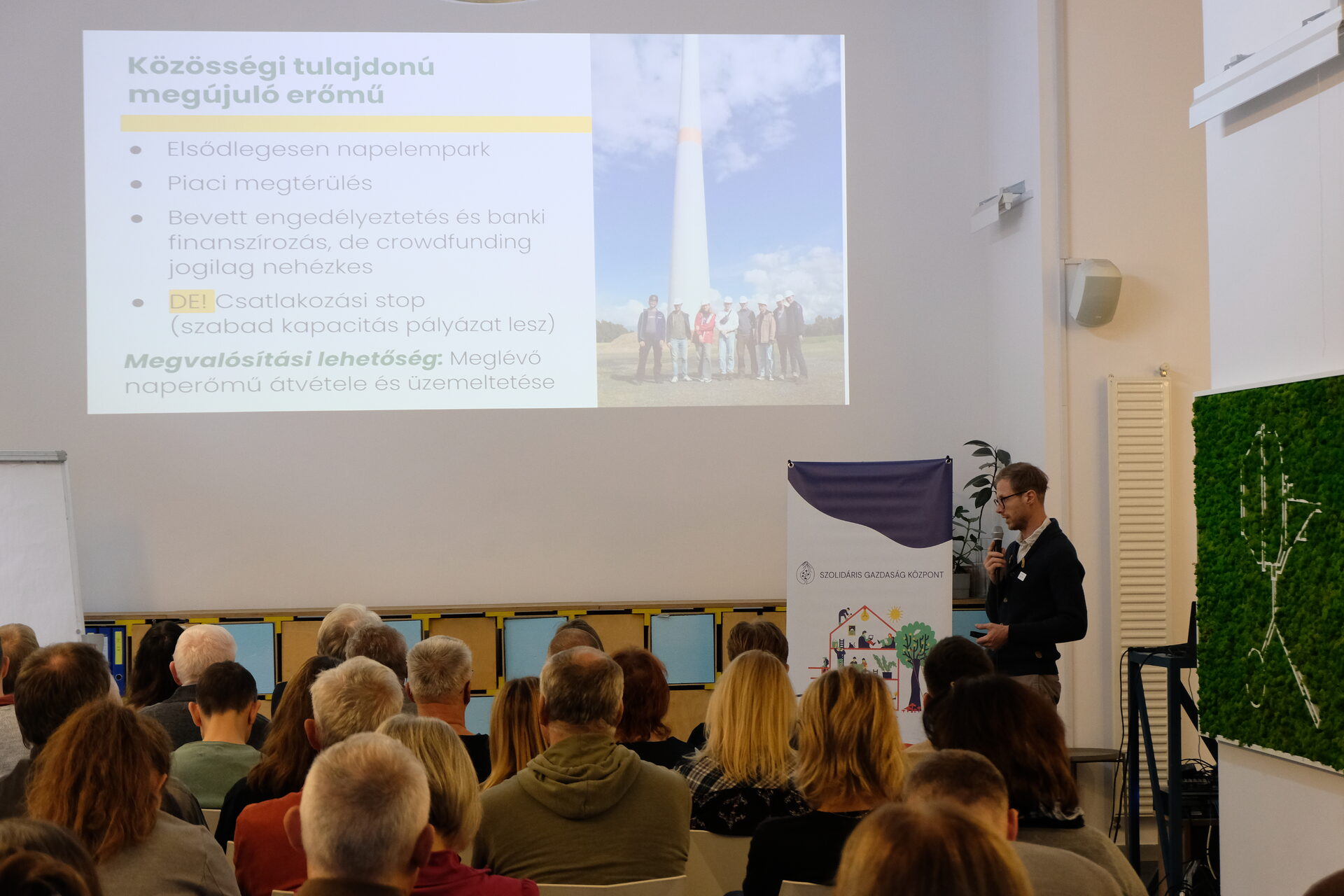
Project outcome 2.4: Implementation of three full-day annual conferences on the topic of energy in the community with 80 to 100 participants.
WP 3: Capacity building, consulting and advocacy in Hungary (SEC)
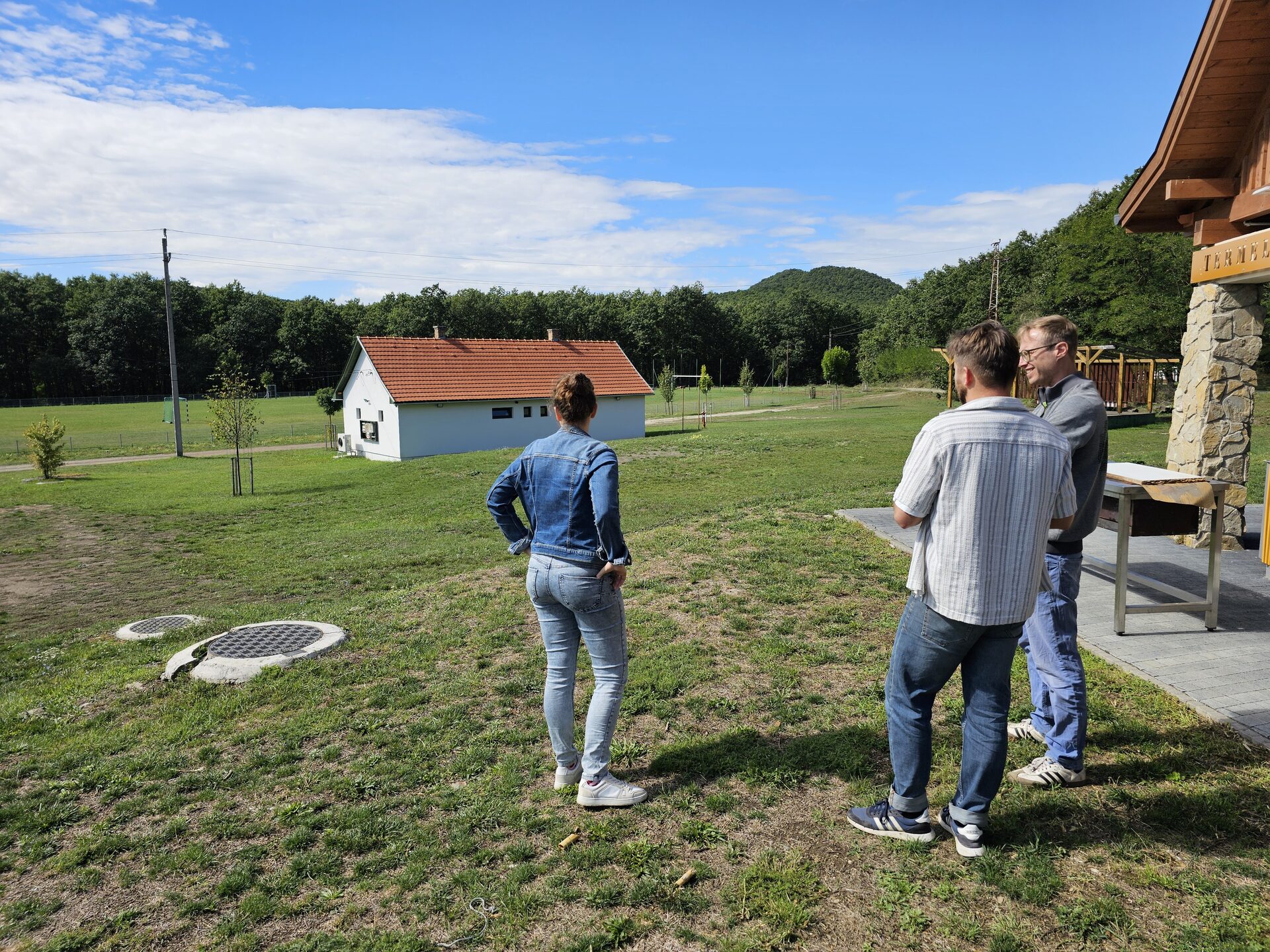
Project result 3.1: Implementation of 5 local participatory workshops (90 to 180 minutes) for at least 10 to 15 participants (municipal employees, members of the municipal energy initiative, citizens, SMEs, NGOs);
Project result 3.2: Development of 2 to 3 Hungarian business models for municipal energy projects that are feasible in the Hungarian regulatory and socio-economic context;
Project result 3.3: Further development of the Transzformátor knowledge center using the example of the BBEn knowledge database as well as the European Citizen Energy Academy (EUCENA);
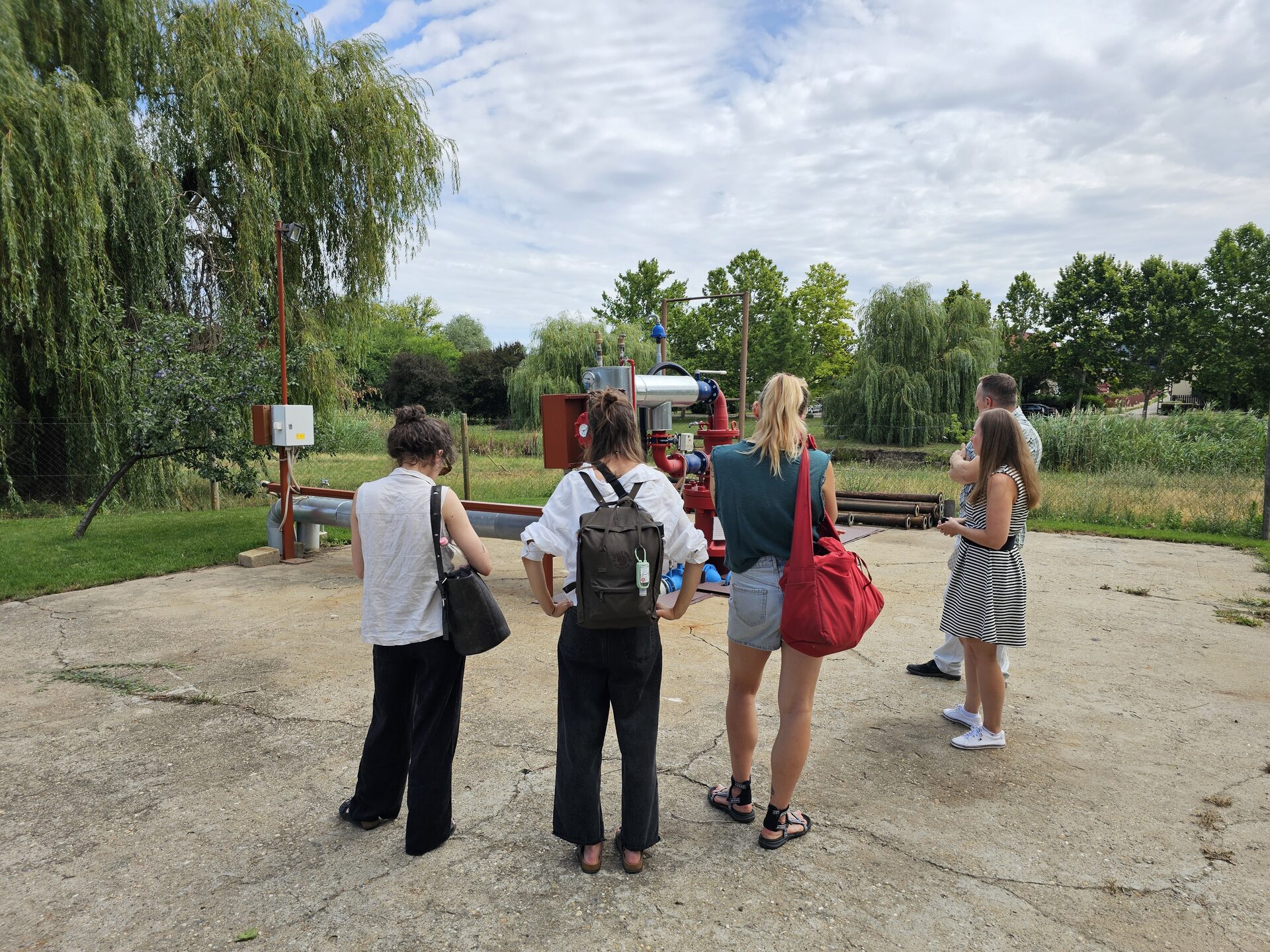
Project result 3.4: Support of model projects with tailored advice for at least three entities with community energy initiatives or municipalities;
Project result 3.5: Improvement of the political framework conditions and financing programs with at least 5 position papers or detailed legislative proposals;
Project result 3.6: Creation of a Hungarian business model for community energy and a collection of case studies (five Hungarian business models and case studies).
WP 4: Capacity building, consulting and coaching in Germany (BBEn)
Project outcome 4.1: Implementation of three workshops each for three municipalities with 10 to 15 participants (administrative staff, municipal and city council members, active citizens, project developers and landowners);
Project outcome 4.2: Implementation of a webinar as an online training course to strengthen local capacity to act for 50 to 100 participants;
Project outcome 4.3: Development of a handbook for municipalities on the topic of “Cooperation between municipalities and citizen energy communities on wind energy projects”;
Project outcome 4.4: Establishment of an advisory board made up of citizen energy stakeholders and experts in the field of wind energy project development.
WP 5: Communication (SEC & BBEn)
Project result 5.1: Development of a communication strategy;
Project result 5.2: Information of the interested public about energy from the community (on the websites, in social media, in newsletters;
Project result 5.3: Presentation of project results in the mainstream media (e.g. online news, television, radio, podcast) and at civil society and professional events (e.g. conferences) – at least 15 media appearances and participation in 15 public events.
Innovation and exemplary nature of the project
The partners offer a clear step forward compared to the current state of citizen energy in Germany and Hungary. The project is characterized by its innovative approach to promoting new forms of cooperation between municipalities and citizens, in Germany especially in the field of wind energy development. Another innovative aspect of the project is the service innovation offered. By providing municipalities and citizens with knowledge and tools, active participation in renewable energy projects is made possible. New forms of consulting for citizen energy communities and municipalities are being developed in order to jointly organize the local expansion of renewable energy sources, especially wind energy in Germany. By focusing both on a systemic advisory approach and on methods of citizen participation, local authorities and citizens are transformed from passive recipients and interest groups into active co-creators. Through workshops and targeted advisory services, the dialog between all interest groups is promoted and a transparent and cooperative environment is created.
In Germany, the model character of the project is to initiate new models of cooperation between citizens and municipalities in the field of wind energy. New advisory methods are being developed for this topic, which will be passed on in the “ViBE” advisory network.
In Hungary, the main exemplary feature of the project is that working business models are developed and serve as an example for municipal energy initiatives and actors who are interested in such initiatives but do not find their way around the current legal framework. Another specific aspect of the project is that it focuses on municipalities as important potential actors in the Hungarian energy transition, which can act as potential facilitators of municipal energy initiatives. Participatory methods, tailor-made consultations and workshops as well as the presentation of working business models can help them to take the first steps of a local energy initiative.
Special aspects of the project
The aim is to enable municipalities in both countries to actively shape community energy projects and implement them together with community energy initiatives through transnational exchange of experience, knowledge transfer and practical support. Both countries have so far lacked targeted support services that systematically strengthen municipalities in their role as shapers of the local energy transition. Each of the five work packages contributes to achieving the project objectives. The aim is to set up an agency for the development of community energy in Hungary and to ensure that it is operational. At the same time, municipalities and citizen energy actors in Hungary will receive targeted support through mapping, networking, advisory services and pilot approaches. In Germany, the focus is on developing and testing advisory and coaching formats for municipalities in the context of innovative community wind projects, in particular to promote new cooperation and participation models between municipalities and community energy initiatives. In addition, knowledge exchange, public relations work and project coordination are implemented on a transnational basis.
Funding theme 6: Renewable energy, energy saving and efficiency
Project implementation:
Places of work: Germany, Hungary
Funding period: January 2025 to January 2028
Project costs: Total volume: 349,980 euros, funding from DBU: 174,990 euros
DBU-AZ: 40078
Status: 09.03.2026