Green energy neighborhoods for the Bansko region
Keywords: citizen energy, climate protection, resource conservation, energy efficiency and conservation, participation
Subject and objectives of the project
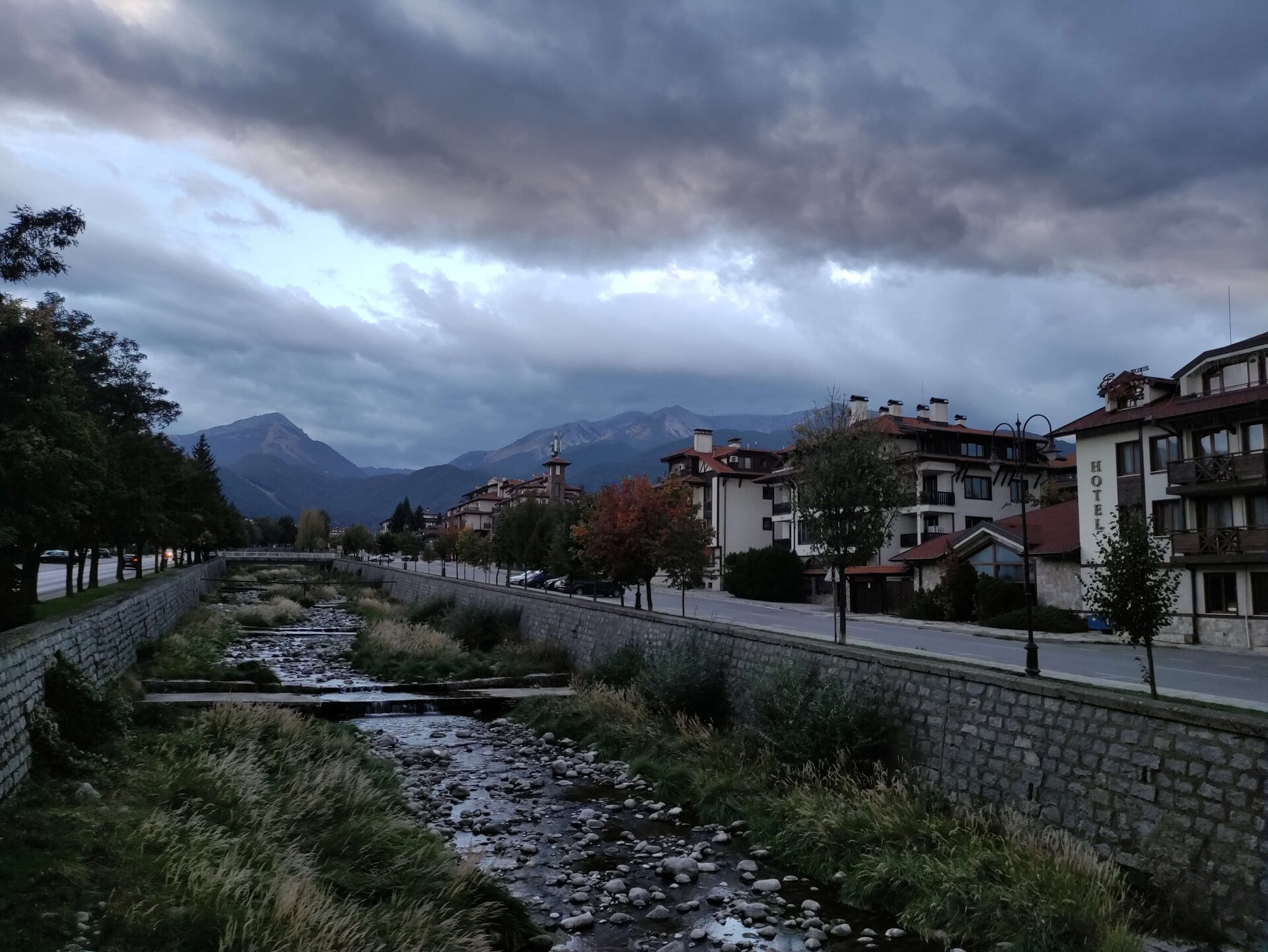
The Bulgarian energy system, which was largely built during the socialist era, is based on the use of large-scale energy plants. Citizen energy is an essential part of the energy transition and aims to strengthen environmentally sustainable, decentralized energy production and use by activating local actors, thereby contributing to the reduction of energy dependency and energy poverty. At the same time, local communities are supported through the creation of social values, the participation of citizens in decision-making processes and the creation of additional jobs. The first energy communities in Bulgaria have already been established in Gabrovo, Burgas and Sofia in cooperation with the project partner EnEffect. Thanks to its good access to the Pirin Mountains, the mountain resort of Bansko is characterized by tourism and is one of the most famous winter sports resorts in Bulgaria. The main aim of the project is therefore to test green energy neighborhoods in the Bansko region as an example of a socially just energy transition in tourist communities in south-eastern Europe. As a first step, important interest groups will be identified and sensitized, local (energy) needs will be recorded and initial feasibility studies will be carried out on this basis. Building on this, missing local capacities are to be developed, viable pilot projects designed and the legal and financial framework conditions for the first energy communities established. Two pilot projects are to be successfully implemented and an easily manageable monitoring system set up in order to record and evaluate the impact and ensure the sustainability and broader impact of the Bansko model as a pilot project.
Innovation and exemplary nature of the project
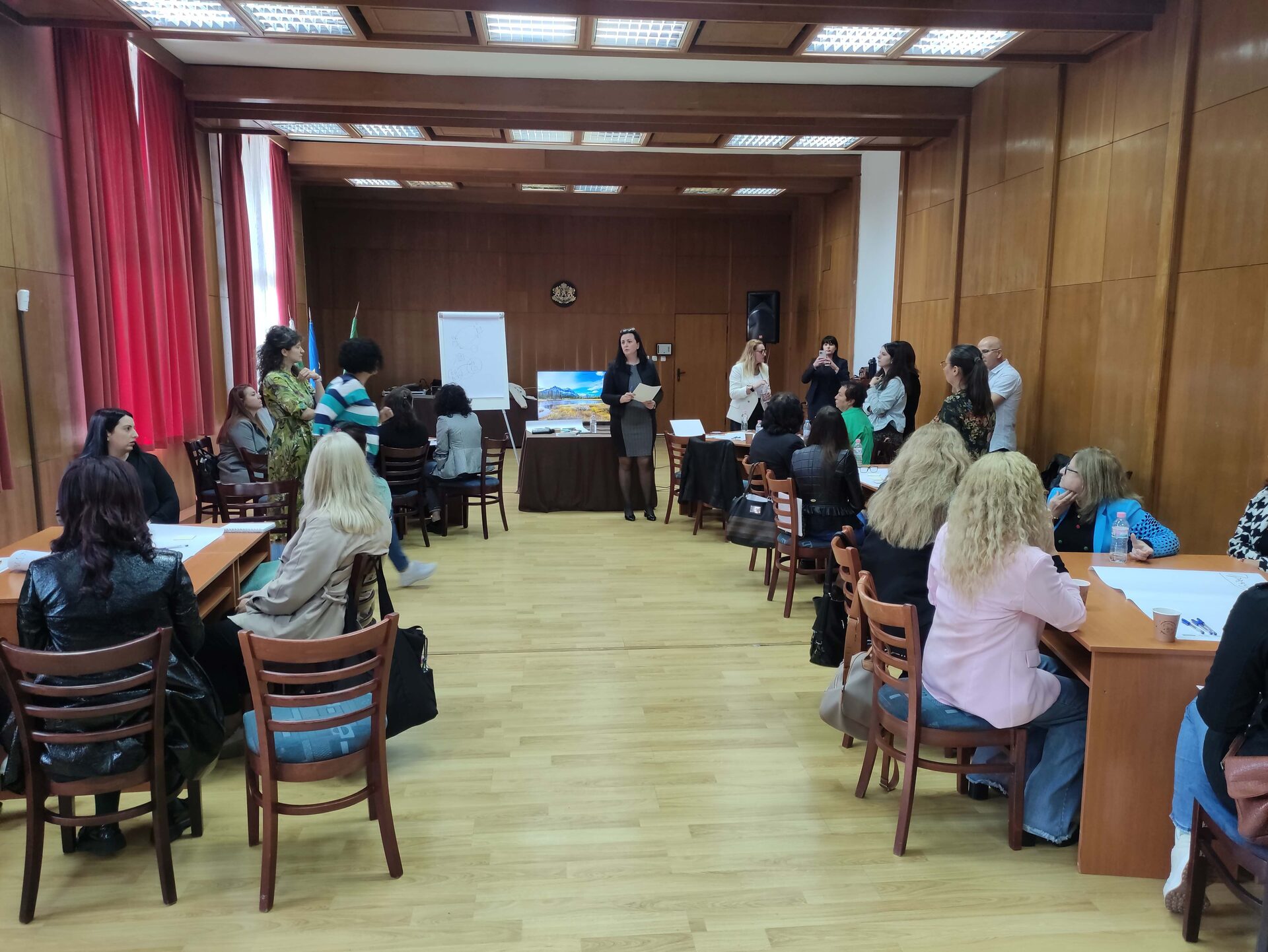
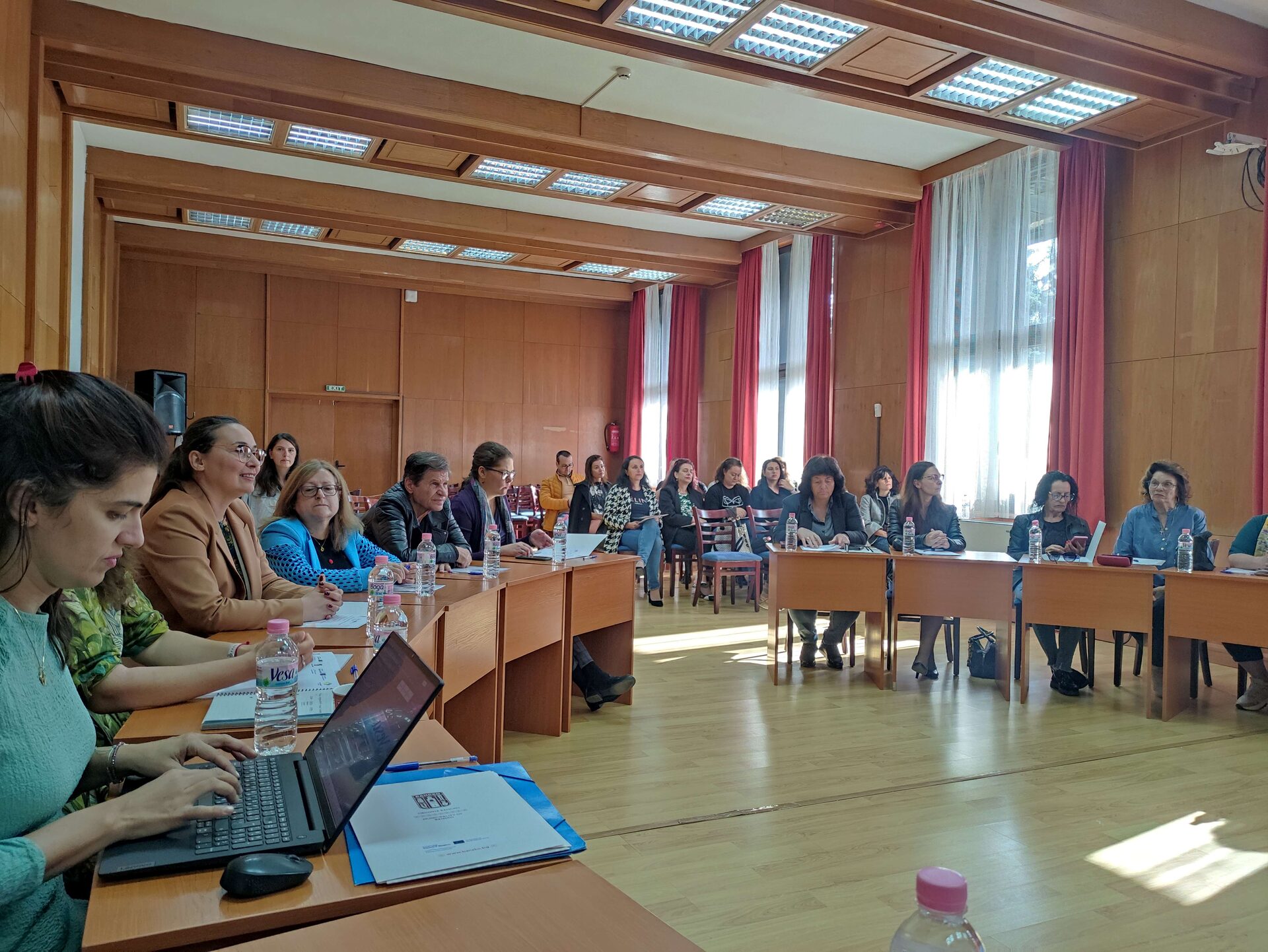
Crucially, the municipality of Bansko sees its involvement not as an isolated pilot measure, but as part of a broader local strategy for climate neutrality, energy independence and civic engagement. Such involvement shows that municipalities can serve as strong catalysts for community energy supply by mobilizing local networks, aggregating demand and integrating projects into their energy and climate plans. The innovative approach lies in the participatory design of this project, in which products and services are jointly designed and (further) developed in a continuous and iterative process involving various parties (scientists, entrepreneurs, developers, municipal administration, users, etc.).
Special aspects of the project
The special aspect of this project lies in the use of community-building elements, such as participatory and service design methodologies for citizen engagement, similar to the Mi Parque movement (Deep Participatory Design and Community Co-Creation), which is being tried out in post-communist countries. Here, emerging communities take responsibility for developing, maintaining and monitoring the standards of their shared project or space, empowering the community itself.
Funding theme 6: Renewable energy, energy saving and efficiency
Project implementation:
- Federation of Social NGOs in Bulgaria (FSSB), Sofia, Bulgaria
- Foundation Center for Energy Efficiency (EnEffect), Sofia, Bulgaria
Place of activity: Bulgaria
Funding period: December 2025 to December 2027
Project costs: Total volume: 187,821 euros, funding from DBU: 131,129 euros
DBU-AZ: 40033/01
Status: 09.02.2026