Baltic Sea Rangers: Stewards of Marine Conservation and Resilient Seas
Keywords: marine nature conservation, marine environmental education, sustainable fisheries, Baltic Sea
Subject and objectives of the project
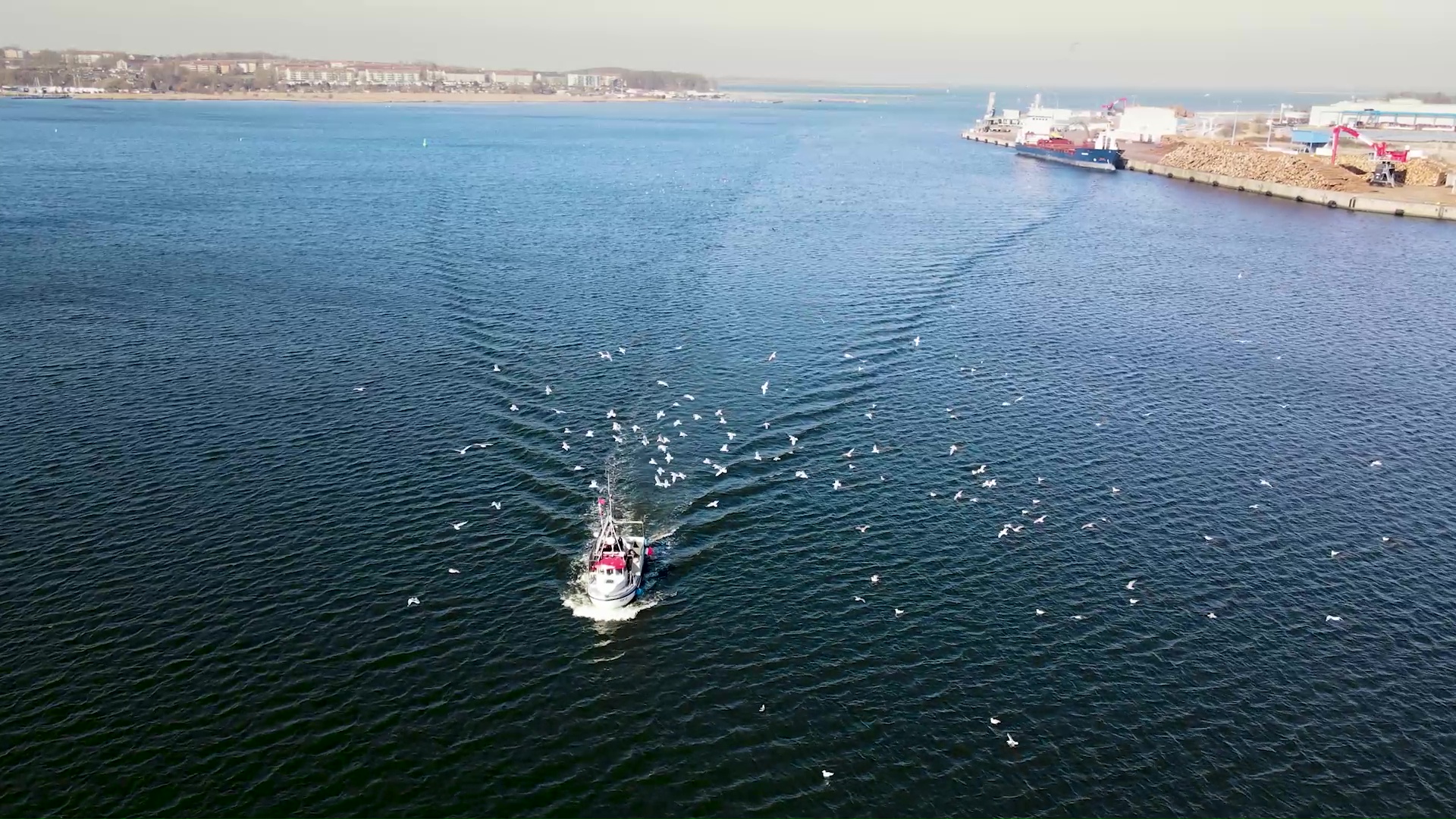
The Baltic Sea is an ecologically, economically and culturally important marine area whose condition remains critical despite extensive conservation efforts. Dwindling fish stocks and rising costs are also leading to a decline in small-scale coastal fishing, which, in addition to economic losses, is also resulting in a loss of traditional knowledge and local responsibility for marine ecosystems. The project aims to counter this trend with an innovative approach: It redefines the professional role in coastal fisheries by actively involving fishermen* as sea rangers in marine conservation through participation in marine monitoring, practical conservation measures, publicly funded services and educational and research assignments, thereby simultaneously developing alternative sources of income. The initiative is characterized by a high degree of participation, with coastal fishermen in Latvia, Estonia and Lithuania at its core, both as individual businesses and in organizations at local, regional and national level. They actively develop practical solutions for regionally adapted Baltic Sea Ranger concepts and corresponding educational curricula in experimental spaces, so-called Living Labs, together with relevant stakeholders from administration, science and nature conservation. While administrative authorities and public bodies at municipal, regional, national and EU level contribute significantly to the institutional anchoring and formal training of Baltic Sea Rangers, the participating scientific institutions focus on research, knowledge exchange and further development of the training programs. The establishment of corresponding associations in the three Baltic countries is intended to consolidate these communities of interest and ensure the long-term implementation of the Sea Ranger concept.
Innovation and exemplary nature of the project
The project is characterized in particular by a practical, sustainable concept that is based on open innovation, participation and co-creation and actively involves local coastal fisheries as a key player. By transforming coastal fisheries into a marine service sector, it can contribute to resilient marine ecosystems and sustainable fisheries. In addition, a concept is to be developed and scaled up to enable transferability across the Baltic Sea. International marine organizations and networks related to the Baltic Sea, such as ICES (International Council for the Exploration of the Sea) and HELCOM (Baltic Marine Environment Protection Commission), will be actively involved in targeted communication and dissemination measures to increase the transferability and visibility of the initiative. Political decision-makers at European and national level will also be addressed, for example through the planned policy brief for the European Commission, with the aim of integrating the concept into political frameworks and funding programs.
Special aspects of the project
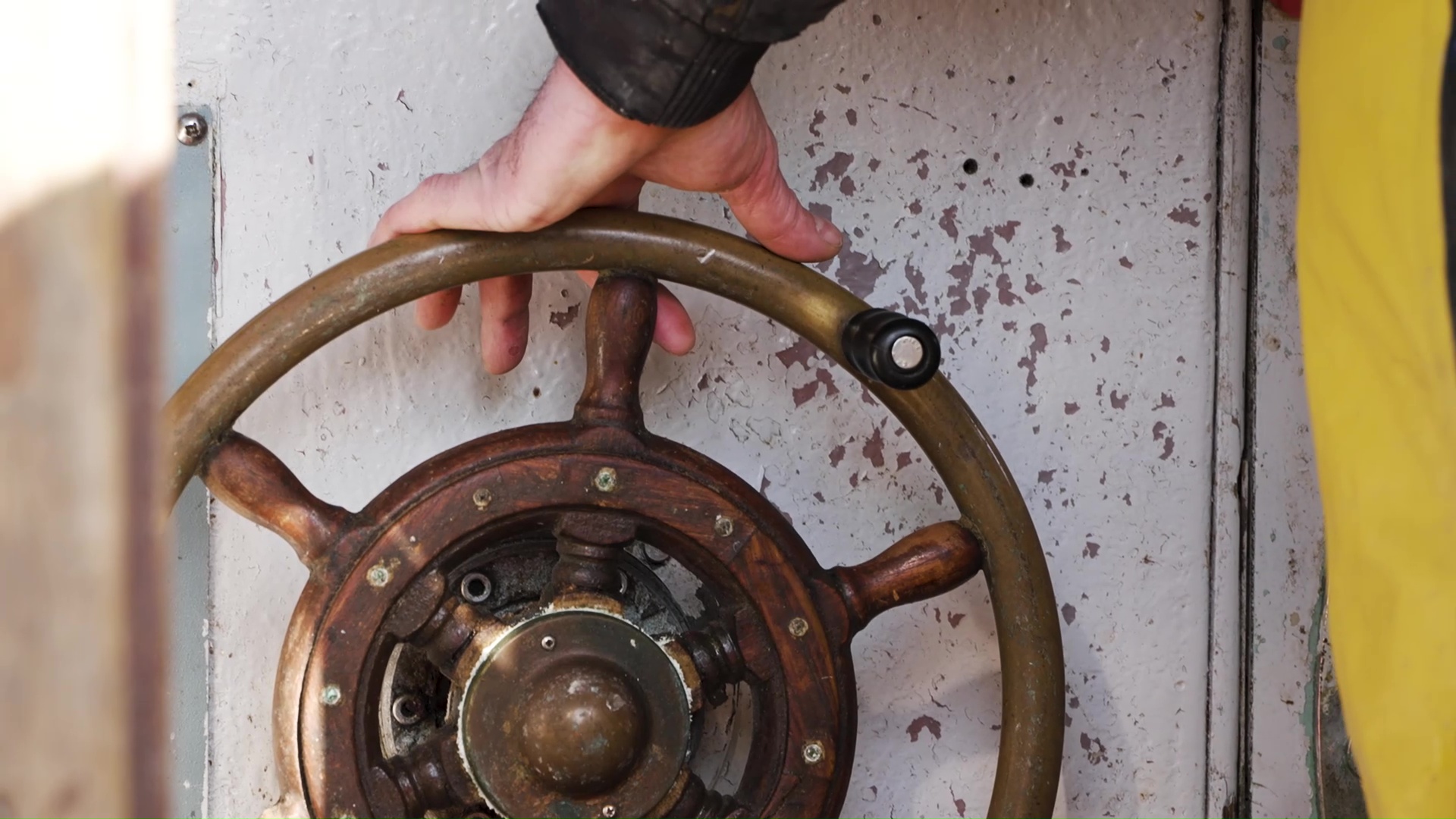
This project is based on a pilot project successfully launched in Germany in 2023, in which coastal fishermen from Mecklenburg-Vorpommern can undergo state-recognized additional training to become “Specialists in Fisheries and the Marine Environment”, which teaches traditional and modern fishing knowledge as well as environmental and legal issues, communication and public relations. In this context, the Sea Ranger e. V. association was founded, which combines the specialist knowledge and experience of coastal fishermen with the new qualification, promotes their self-determined further development and is increasingly developing nationally and internationally as an innovative model for marine conservation and responsible coastal fishing. This tried-and-tested concept is now being extended to Estonia, Latvia and Lithuania and adapted regionally. It should also be emphasized that, in addition to regional coastal communities that can benefit economically and culturally from the project, the project also addresses young people and women as potential new target groups for vocational training in the fisheries and marine services sector.
Funding topic 11: Marine nature conservation fund
Project implementation:
Associated partners:
- Various associations, organizations and scientific institutions from Estonia, Latvia and Lithuania
Places of activity: Estonia, Latvia, Lithuania
Funding period: October 2025 to October 2028
Project costs: Total volume: 237,774 euros, funding from DBU: 175,000 euros
DBU-AZ: 40378
Status: 09.03.2026